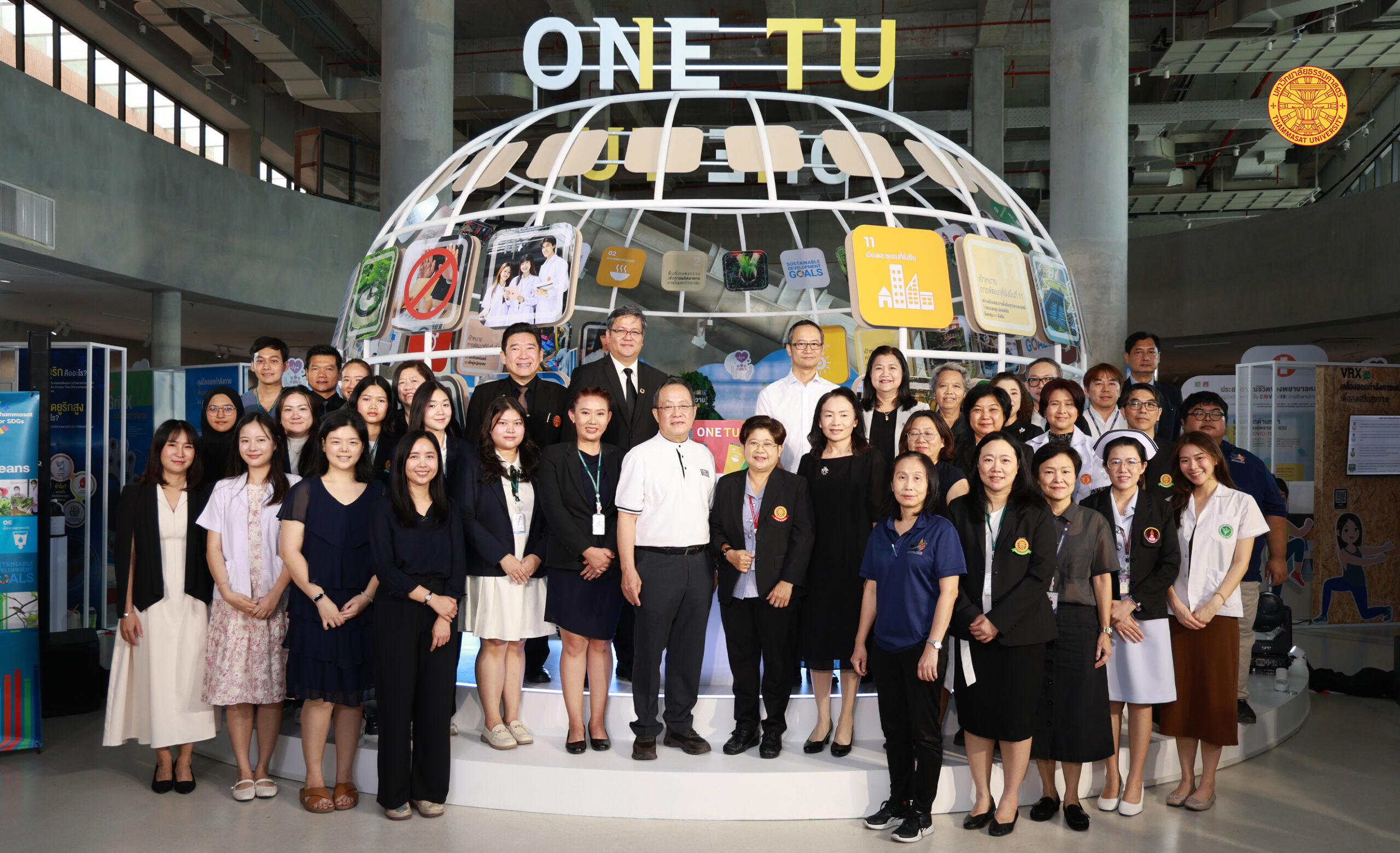
Thammasat Launches ‘SDGs for the People’ Exhibition, Showcasing 31 Health Innovations
Thammasat Launches 3rd SDGs Health Sciences Exhibition with 31 Projects for Societal Benefit
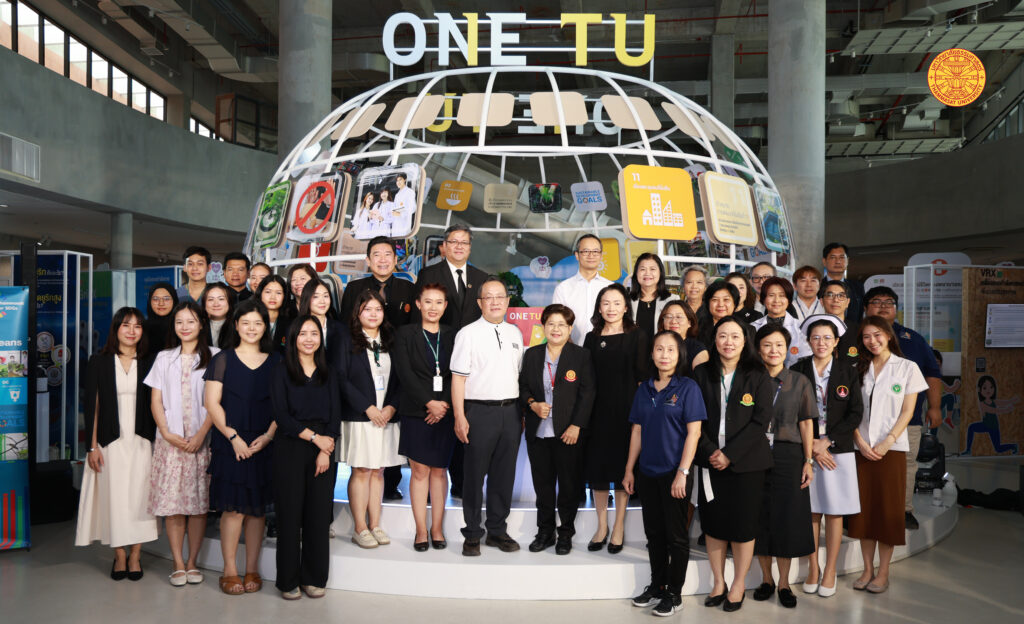
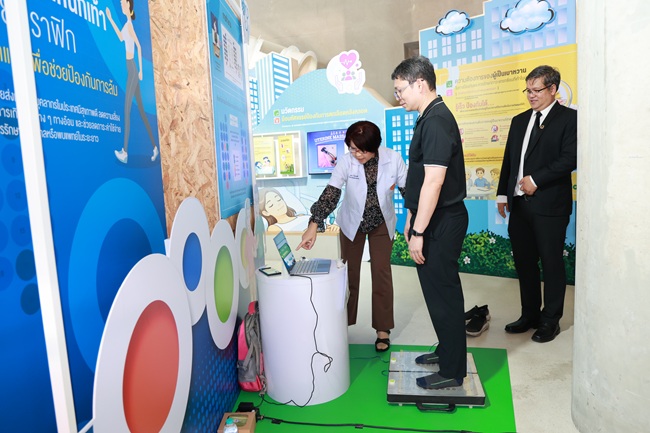
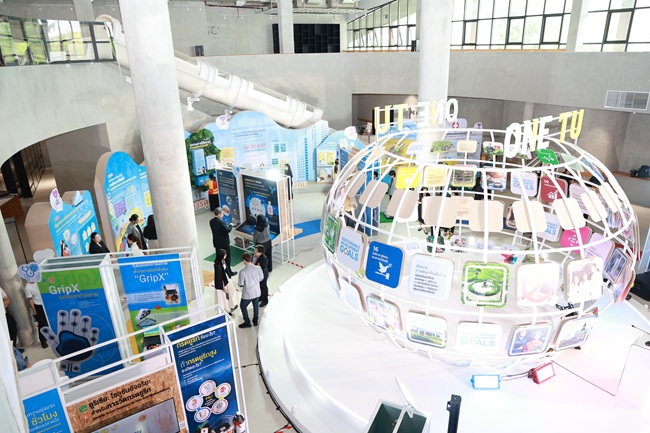
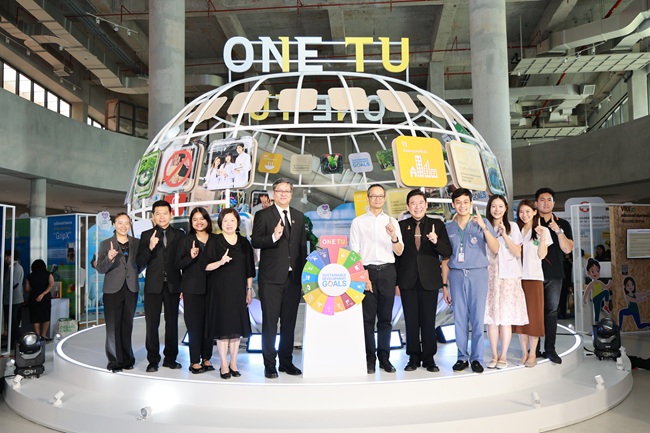
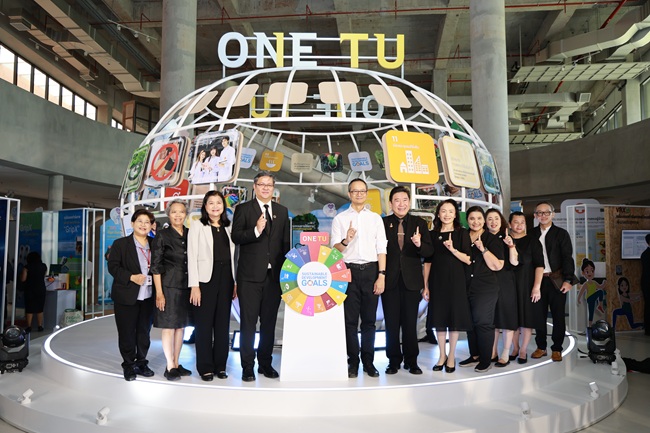
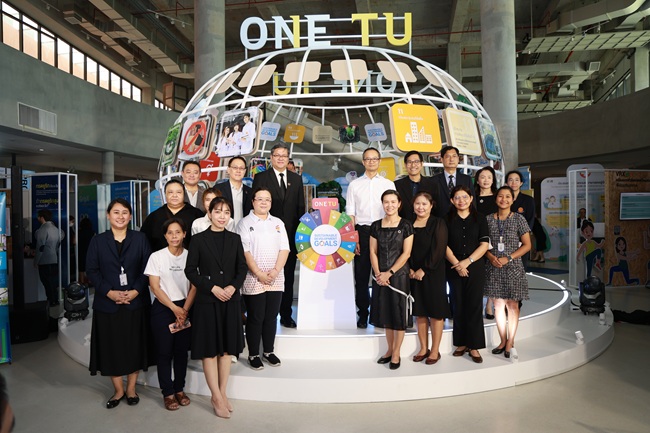
Thammasat University held the opening ceremony of the “Third Rotating Exhibition under the Concept of SDGs for the People: Health Sciences” at the SDG Lab, Puey Ungphakorn Centenary Hall, Thammasat University, Rangsit Center, on March 24, 2026. The exhibition showcases a total of 31 research and innovation works aligned with the Sustainable Development Goals (SDGs). Interested individuals can visit the exhibition from today until July 2026.
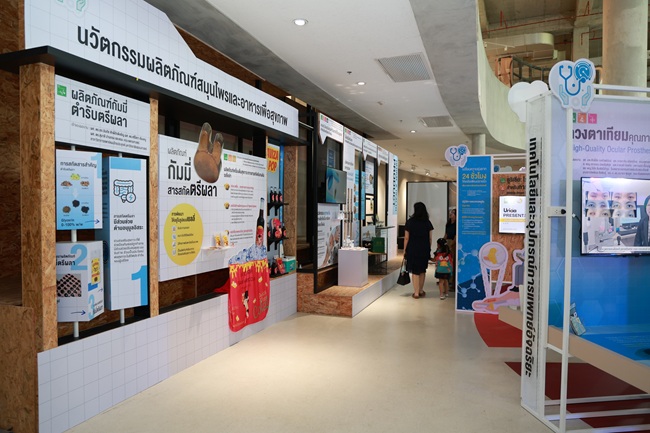
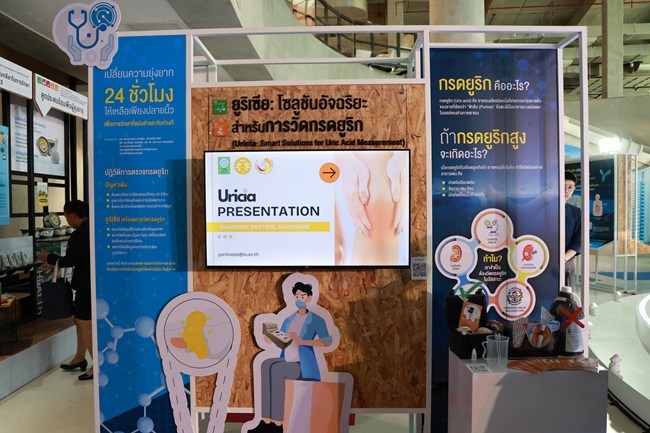
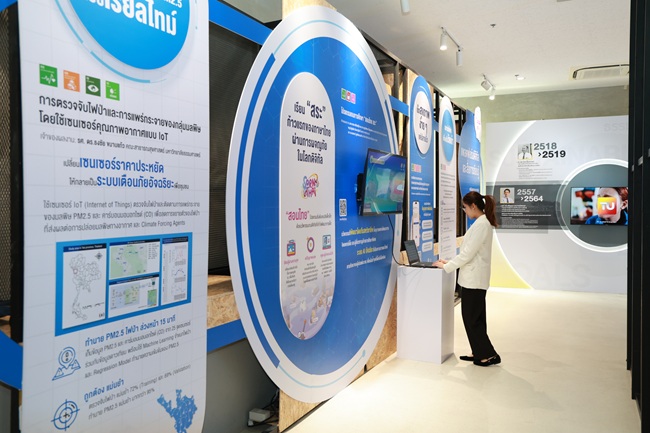
The exhibition has five zones: Zone 1, Herbal and Health Products, focuses on “Elevating Thai herbs to high-value products for modern lifestyles.” Zone 2, MedTech and Smart Devices, highlights “Innovative medical devices for precise diagnosis, rehabilitation, and facilitation.” Zone 3, Digital Health & Education Platforms, connects “digital technology to accessible health services and learning.” Zone 4, Clinical Care & Social Well-being, emphasizes “Elevating care standards alongside an understanding of social and mental dimensions.” Zone 5, Environment & Sustainability, aims to drive “a low-carbon society and create an environment conducive to sustainable well-being.”

Assco. Prof. Dr. Thira Jearsiripongkul, Vice Rector for Administration at Rangsit Center, stated that the goal of organizing the SDGs exhibition is to support public awareness of the SDGs and to highlight the connections between the SDGs and the surrounding environment. This includes research, technology development, and innovation. Additionally, it serves as a platform to showcase works for interested parties, whether from the public sector, private sector, or general public, to further develop these initiatives, whether commercially or in everyday life. This will contribute to social development and enhance the quality of life in various aspects while also supporting Thailand in achieving the SDGs by 2030, in accordance with the timeline set by the United Nations (UN) for member countries to achieve the SDGs.
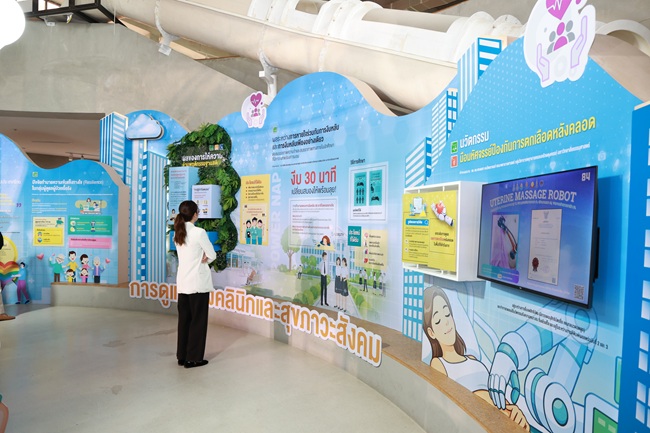
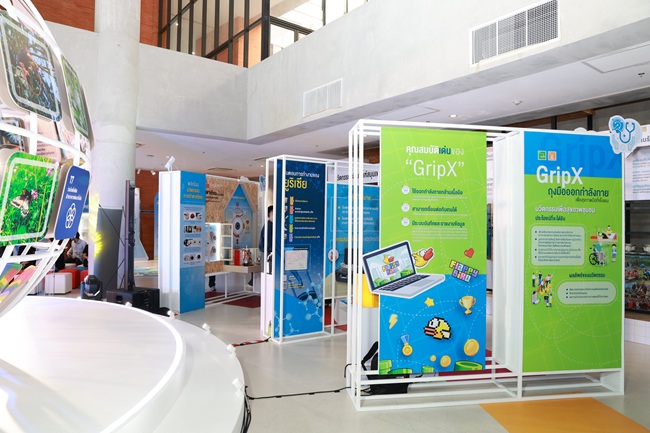
He also highlighted that the exhibition, featuring works from Thammasat University’s health science departments, is expected to be well-received due to the global focus on well-being. Key innovations include a date palm health cola (Thailand’s first), Uricia (an intelligent uric acid solution), an online health check report system, a non-invasive uterine massage innovation for preventing postpartum hemorrhage, and a prototype sustainable pharmacy model. He noted the global potential of these innovations, citing Uricia as the world’s first of its kind, which could significantly boost healthcare and contribute to the national economy, given the projected growth of the global medical device market to 25-26 trillion baht by 2027.

Professor Dr. Supasawad Chardchawarn, Rector of Thammasat University, stated that following the conclusion of the 4th SDGs exhibition, which will be held in July 2026, there will be considerations for organizing this exhibition again, potentially with a modified format that aligns the main theme with current situations regarding innovation or global crises. Innovations, such as in renewable energy during the energy crisis, will be showcased to promote research applicable at all levels, ensuring it moves beyond theory to drive the SDGs and encourage the use of domestic products, thus boosting security and reducing foreign dependence. Achieving the SDGs by 2573 (within four years) requires collective effort. Thammasat University, as a knowledge producer, will help disseminate this understanding to all sectors, fostering widespread application and collaboration to advance the goals.