Thammasat Restores Life Skills for Elderly Inmates to Cut Recidivism
Thammasat, Lampang Campus, Launches Inmate Life Skills Manual, Senior Citizen School
Recidivism in Thailand is high, with over 30% of released prisoners reoffending within three years, largely due to drug-related crimes (66.75%). Key causes include a lack of life and social skills. For elderly inmates, a changing self-perception and societal perspective, exacerbated by incarceration, is a significant factor in deterioration of their skills. Plus, in some inmates who have been in prison for an extended period, even though they have not yet reached the age defined as adulthood, their capabilities and competencies have deteriorated to a level comparable to that of the elderly. This includes slower processing of information, delayed responses to questions, and a changed perspective both towards themselves and others.
Certainly, the aforementioned situation occurs in all prisons across the country without exception. However, in the case of “Lampang Central Prison,” which houses 80 to 100 elderly inmates out of a total of 2,000, there is an effort to counter this trend by working closely with local educational institutions. Together, they aim to support and prepare inmates for reintegration into society while simultaneously reducing recidivism.
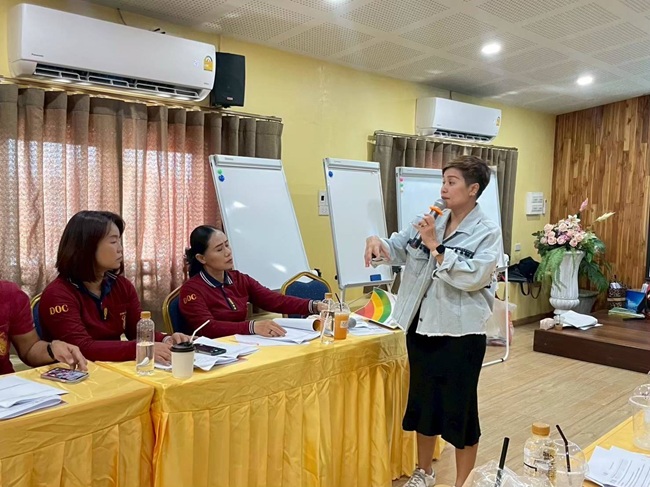
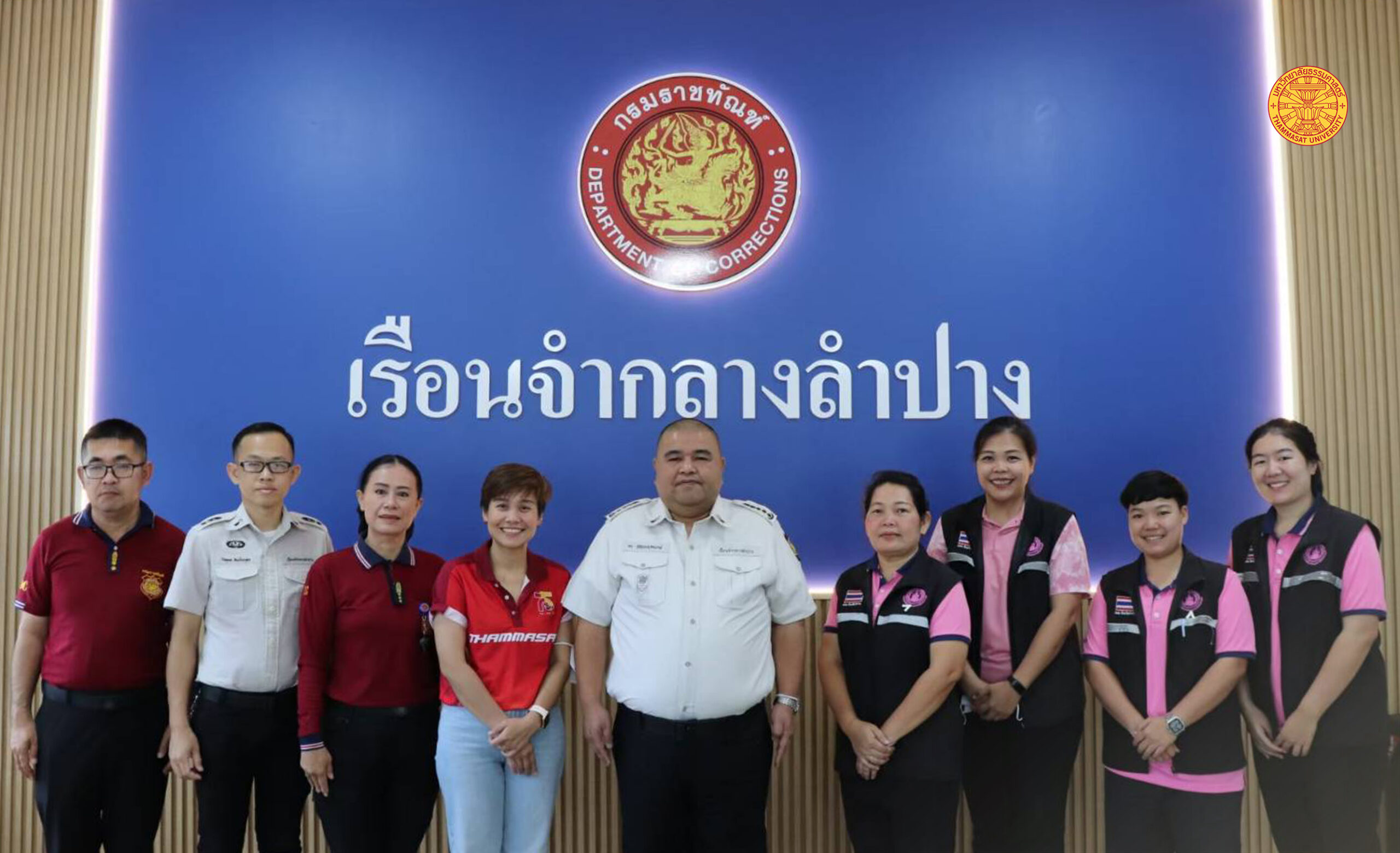
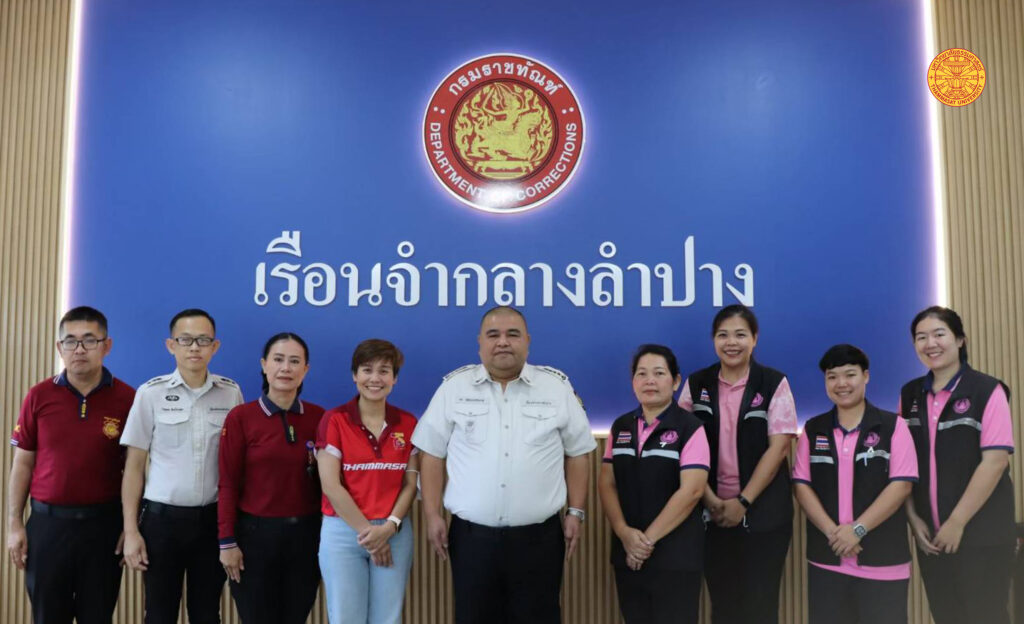
The tools utilized by the Lampang Central Prison, in addition to the activity mechanisms, include the “Life Skills and Career Development Manual” for inmates who are six months to one year away from release. This manual, developed in collaboration with the Faculty of Social Administration at Thammasat University, Lampang Campus, focuses on the rehabilitation of the mental state of elderly inmates and prepares them to have confidence in their own potential (Empowerment) before reintegrating into society.
Alongside the establishment of the “Elderly School in the Central Prison,” the first and only elderly school in Thailand, the curriculum is designed based on the needs of inmates, integrating the development of skills in three areas: academic, vocational, and life skills. In the academic domain, subjects include laws and benefits for the elderly, as well as current social and economic situations. In the vocational area, training covers cooking both savory and sweet dishes, food preservation methods, and organizing events suitable for the elderly. In the life skills category, the focus is on adapting to family, community, and society, as well as self-care in physical, mental, social, and economic aspects.
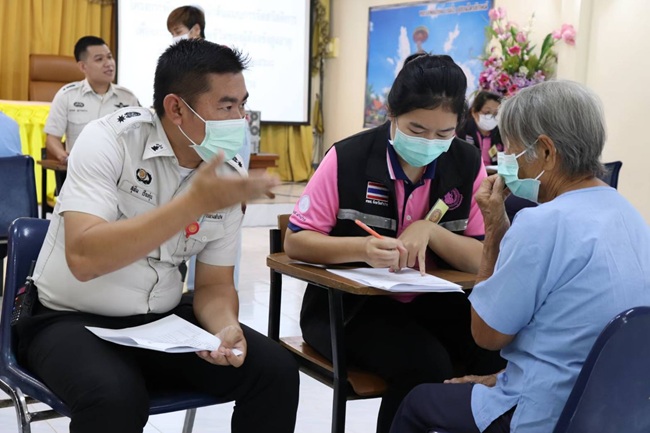
It is evident that the collaboration with educational institutions in the area to address problems through knowledge and academic expertise is the approach chosen by the Lampang Central Prison. The involvement of development partners such as Thammasat University, Lampang Campus, is powerful enough to encourage local networks to work together as a cohesive network.
This can thus be expanded into numerous projects, such as collaborating with the Elderly Social Welfare Development Center in Lampang Province to create guidelines for improving the quality of life for elderly inmates in the central prison. This initiative enhances the cognitive abilities of inmates through various training operations for personnel and staff of the prison, resulting in the formation of a Core Team, or a multidisciplinary group within the prison. This team actively participates in the rehabilitation and enhancement of the quality of life for elderly inmates, as well as establishing a Buddy Support group to assess the physical and mental health of inmates in collaboration with the Core Team.
Additionally, there is a project to develop and implement a caregiver curriculum at the Senior Citizens School of Lampang Central Prison, which has received budgetary support from the initiative under the royal patronage of Her Royal Highness Princess Rajasarini Siribajra and the Ministry of Justice. This project enhances the focus on mental capacity development and human perspective, ensuring that female inmates trained in the curriculum are adequately prepared both professionally and mentally before reintegrating into society
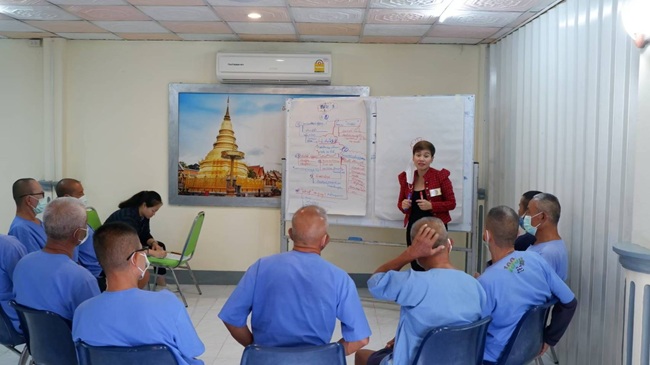
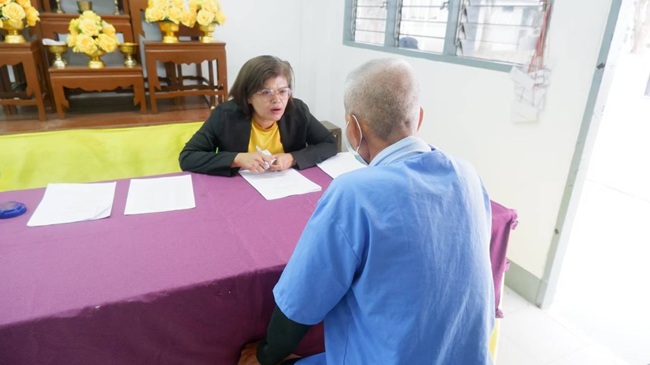
“Working collaboratively with network partners has resulted in improved relationships among inmates, better mental health, and enhanced vitality. The ability of elderly individuals to perform activities of daily living (ADL) shows a tendency to increase. This cooperation has transformed Lampang Central Prison into a space that can harness the potential of elderly inmates,” stated Asst. Prof. Dr. Punika Apirukkraisri from the Faculty of Social Administration, Thammasat University.
Not only through direct work, but the Faculty of Social Work at Thammasat University has also synthesized knowledge from experiences into an academic work titled “Development of a Model School for the Elderly as an Opportunity for Elderly Inmates,” authored by Assistant Professor Areerat Adisaidetchrin. This work has received support from the National Research Office (NRCT) and the Model Prison Development Project for Welfare Management to Enhance the Quality of Life of Elderly Inmates, led by Dr. Punika, which is supported by the Office of Support for Specific Population Health (Office 9) under the Health Promotion Foundation (Thai Health). Recently, many prisons have come to study this model to apply it as a prototype.
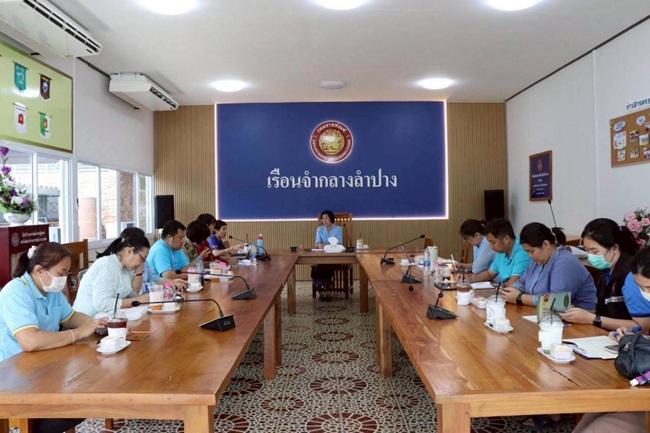
Dr. Punika also stated that the ultimate goal of the initiative is to implement various systems and programs in every prison, ensuring that elderly inmates across the country receive appropriate psychological rehabilitation before reintegrating into society, thereby reducing recidivism. However, since each prison houses inmates with varying vulnerabilities, such as the elderly, individuals with disabilities, LGBTQ+ persons, and mothers with infants, rehabilitation programs or mental health care cannot be a one-size-fits-all approach; they must be specifically designed. Currently, Thammasat University has proposed guidelines to the Ministry of Justice, which are under consideration for policy implementation.
Meanwhile, despite the progress made in various areas, efforts in Lampang Province will continue. One initiative is the development of a preparedness system for families prior to the reintegration of inmates into society, in collaboration with the Lampang Provincial Office of Social Development and Human Security, while also connecting with local administrative organizations to play a role in providing care.

Latest Content