Thammasat Backs Local Communities to Hit SDGs by 2030
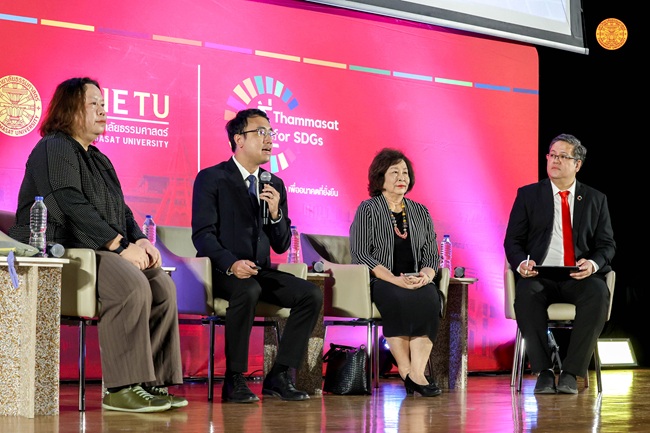
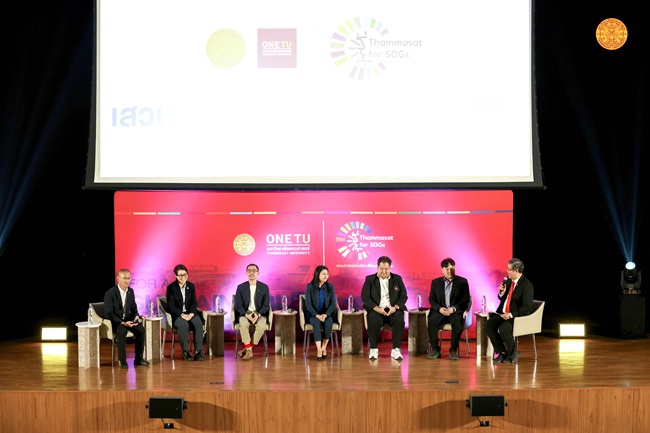
Asst. Prof. Chol Bunnag, Assistant to Rector for Quality Development and Sustainability at Thammasat University and Director of Research and Support Center for Sustainable Development Goals (SDG Move), stated following the event “Thammasat SDGs Day” held at Rangsit Campus, on October 7, 2025. He outlined the operational guidelines of the university in the last five years leading up to the deadline set by the United Nations (UN) for member countries to achieve the Sustainable Development Goals (SDGs), which is by the year 2030.
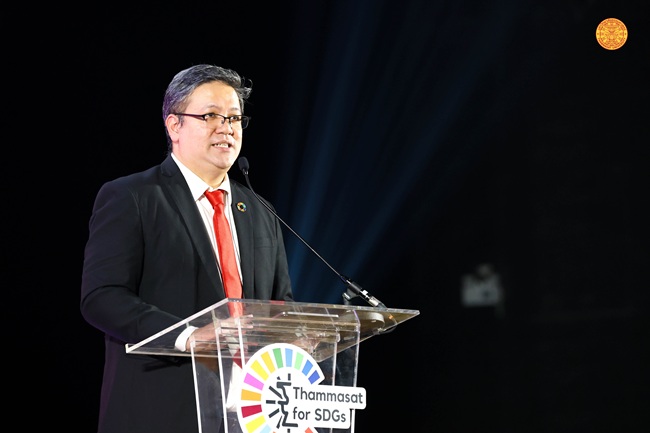
He has revealed that achieving the SDGs presents significant opportunities for Thailand, improving quality of life and fostering confidence for economic growth, trade, investment, future industries, and diplomatic efficiency. He also mentioned that Thai industries may relocate if Thailand lacks 100% renewable energy, impacting the economy and employment. This necessitates Thammasat University, as an educational institution, to seriously support the Sustainable Development Goals (SDGs).
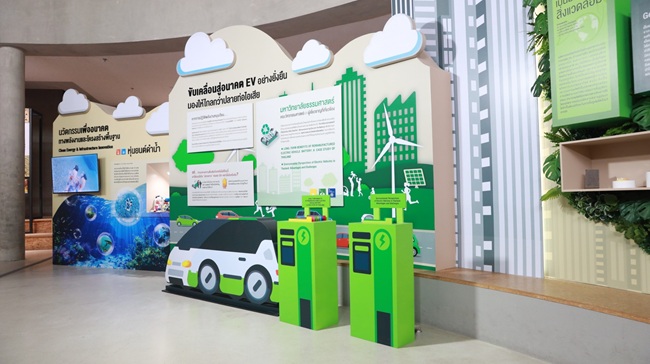
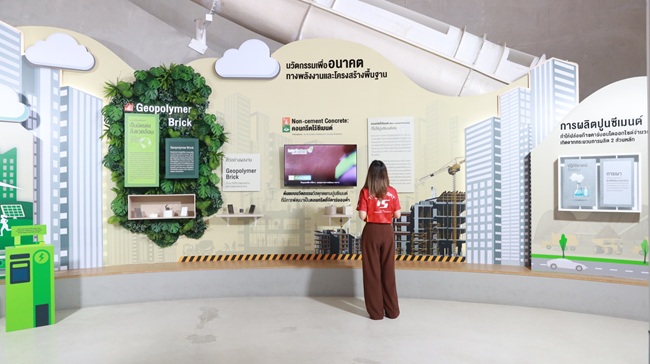
He highlighted the university’s role in its dedication to advancing Thailand’s research, innovation, and human resource development for the SDGs, aiming to achieve national targets within five years through internal and external initiatives. Their strategy involves local engagement via data and collaborative research with regional partners. The SDG Move center will be a learning hub, offering data and resources while supporting student volunteering with civil society. By 2026, Thammasat plans international partnerships with UN Women, UNESCO, and UNDP to advance women’s rights, sustainable development education, and local SDG promotion.
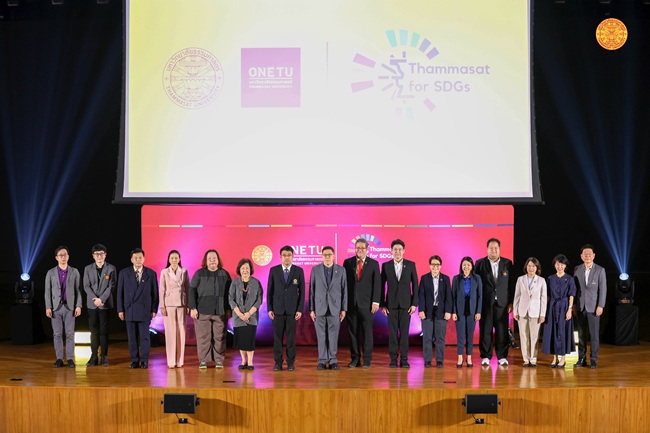
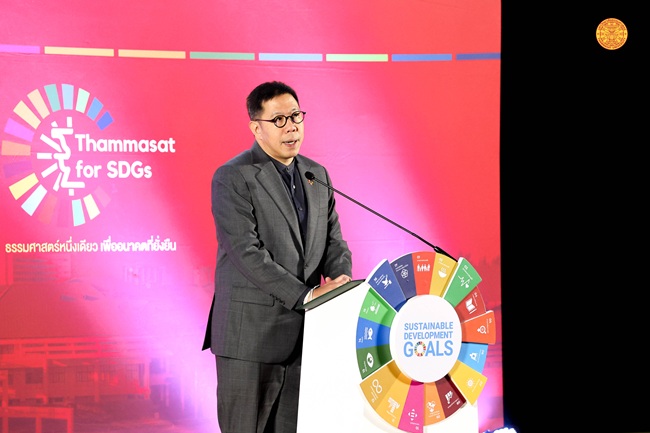
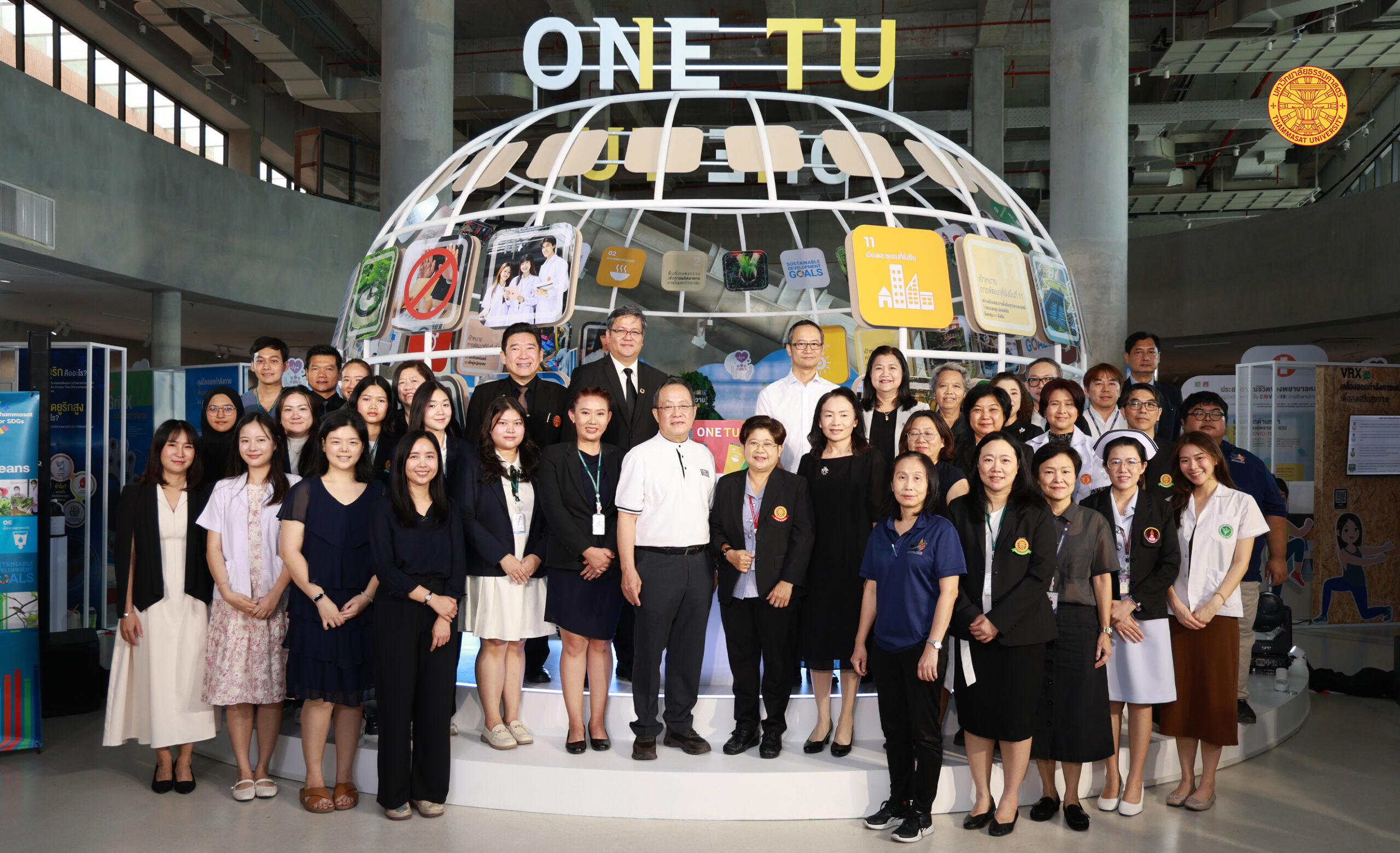
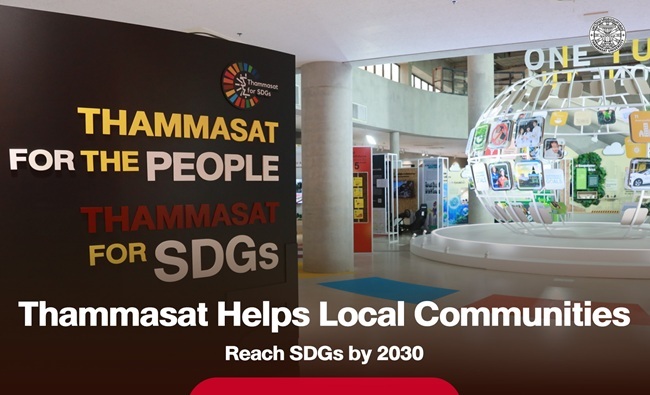
Prof. Dr. Supasawad Chardchawarn, Rector of Thammasat University, stated that Thammasat views SDGs as a chance to boost Thailand’s economy and competitiveness, especially for the New S-Curve industry. To address workforce skill gaps, SDGs are integrated into the curriculum for experiential learning. The university also uses SDGs as objectives for infrastructure improvement and has four key projects: Thammasat Zero Waste (50% recycling), Carbon Neutral Campus (carbon footprint data, certification), Green Office compliance, and Volunteer Sustainable Development (collaborating with UN Volunteer and foundations). Thammasat SDGs Day featured three activities: an SDGs Lab exhibition, student club booths, and a platform for sharing university sustainability policies, including a lithium battery waste management center and the Thammasat University Library winning the IFLA Green Library Award 2025.