Thammasat Launches ‘New Gen Executive’ Program to Bolster Elderly Community Care
Thammasat, TGRI, and Local Gov’t Partner to Train ‘Elderly Society Managers’ for New Local Authority Role
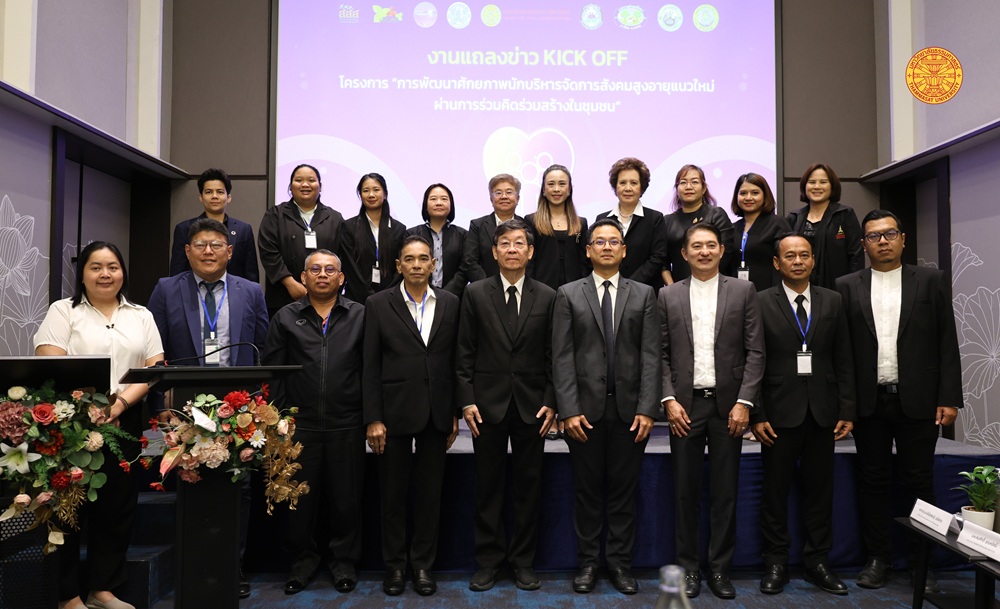
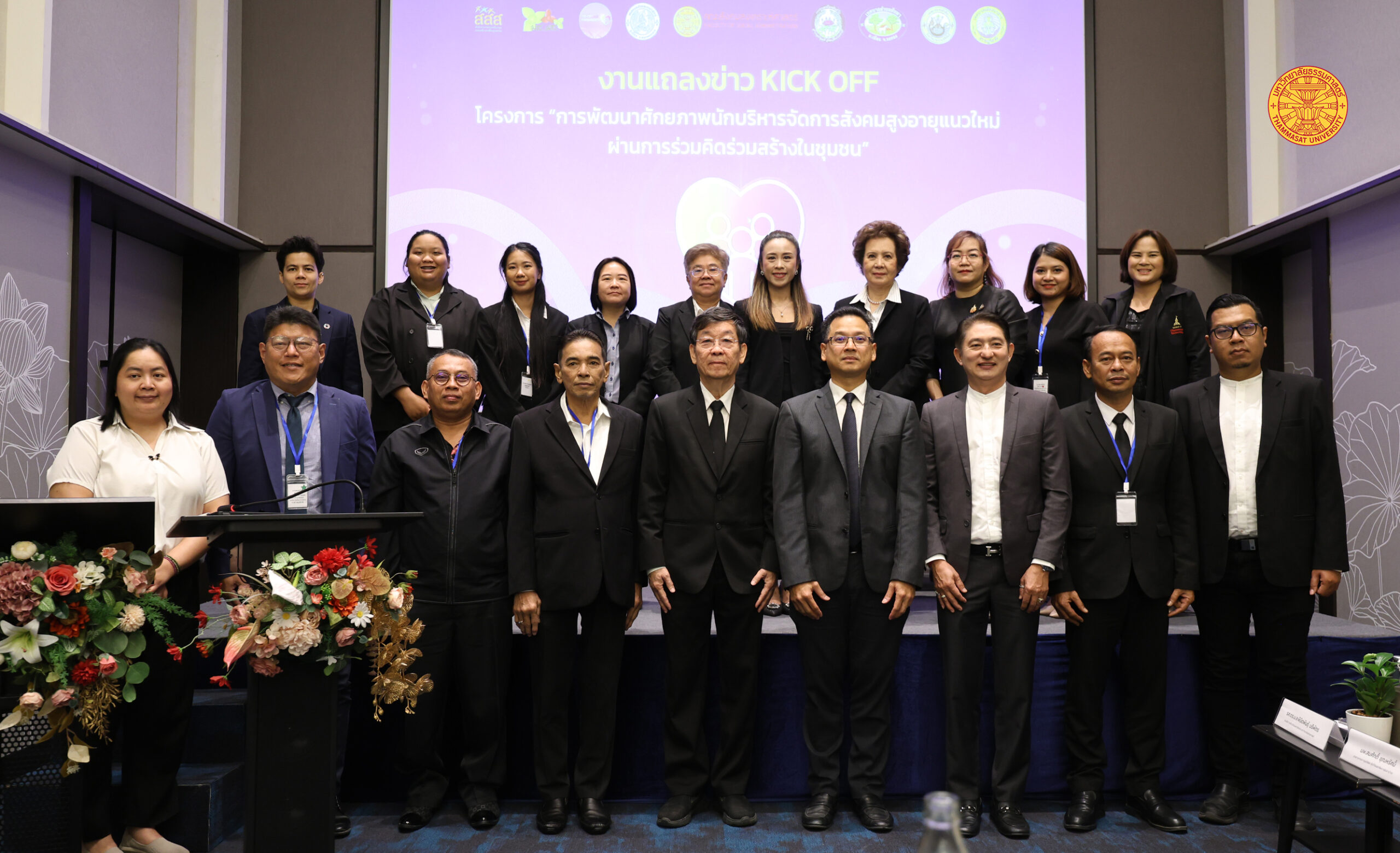
Thammasat University’s Faculty of Social Administration, in collaboration with the Foundation of Thai Gerontology Research and Development Institute (TGRI) and five local administrative organizations (LAOs), launched the “New Age Management Executives for the Elderly” program. This initiative, part of the “Developing the Potential of New Age Management Executives for the Elderly through Co-Creation in the Community” project, aims to transform LAOs from “service providers” into “new age management executives” to prepare for a Super Aged Society. The launch event took place on January 28, 2026, at Centara Life Bangkok Hotel, attended by representatives from relevant agencies, LAO executives, and public health volunteers.
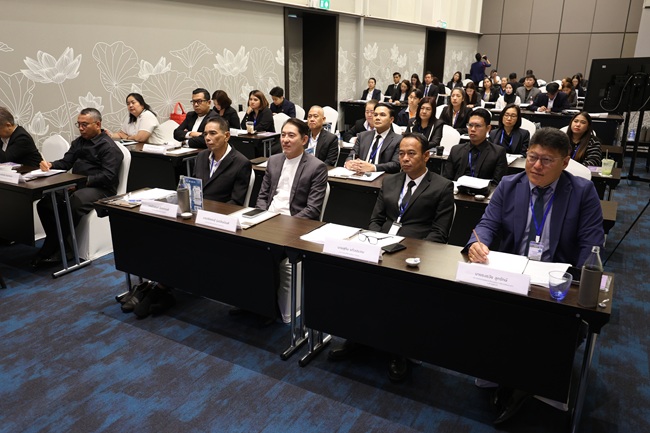
LAOs participating in the project include Bueng Yitho Municipality in Pathum Thani Province, Hua Hin Municipality in Prachuap Khiri Khan Province, Tap Ma Subdistrict Municipality in Rayong Province, Na Sarn Municipality in Surat Thani Province, and Thepharak Subdistrict Municipality in Samut Prakan Province.
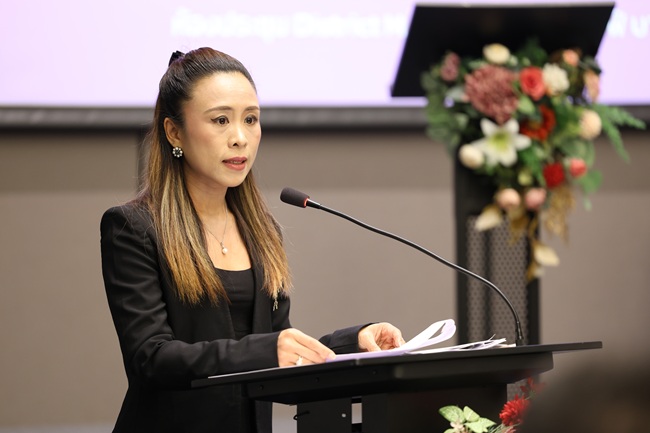
Asst. Prof. Dr. Natthapachara Sarobol, from Department of Social Policy, Social Development, and Community Development, specializing in Elderly Welfare at the Faculty of Social Work, Thammasat University, and the leader of the curriculum implementation team, has revealed that the situation of the elderly in Thailand is becoming increasingly complex. By the year 2025, Thailand is expected to have approximately 13 million elderly individuals, accounting for 21.6% of the total population, with projections indicating an increase to 31.4% by the year 2042. The country’s care system faces major challenges due to over 340,000 dependent elderly individuals, limited caregivers, and a rise in elders living alone. The crucial solution is developing non-monetary welfare (In-kind Services) as a national priority, such as elderly daycare, quality of life centers, and schools, primarily managed by Local Administrative Organizations (LAOs). However, LAOs are constrained by a lack of specialized personnel, skills for complex problem management, and poor work integration.
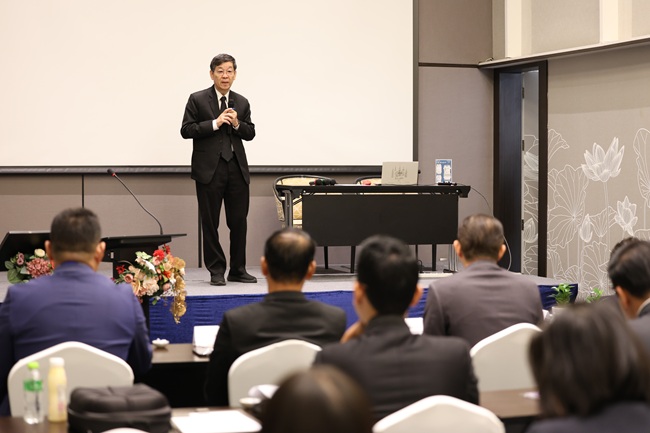
Dr. Somsak Chunharas, TGRI Chairman and a research scholarship supporter, stressed that qualitative development in an aging society requires strong local communities. He proposed the government shift from a direct service provider to a service purchaser. Instead of building hospitals, communities should manage resources to procure quality services from networks or the private sector, creating a care “ecosystem.” He argued that cash assistance like pensions is inadequate; investment in public services is necessary to ensure the elderly can live independently and with dignity in their communities.
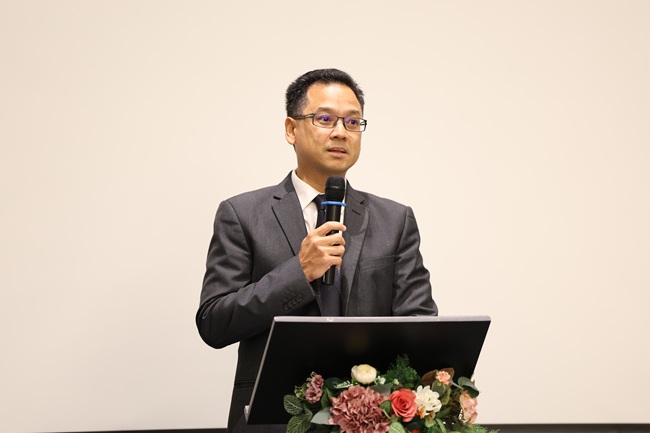
Assoc. Prof. Dr. M.L. Phinitbhand Paribatra, Vice President for Research and Innovation at Thammasat University, emphasized the university’s focus on developing an elderly care system in Thailand, crucial due to limited national budgets and the rapid transition to an aging society without being a leading industrial nation. Thammasat, in collaboration with faculties like Social Administration and Engineering, promotes and disseminates research, policy, and innovation to local communities and administrative organizations. This collaboration is crucial for creating learning spaces and enhancing the elderly’s quality of life. Since the government cannot efficiently manage all sectors, especially the elderly, networks with local administrative bodies are vital for progress. The challenge requires cooperation across all sectors to develop social and economic systems, making the current training program for local administrative executives a positive step.
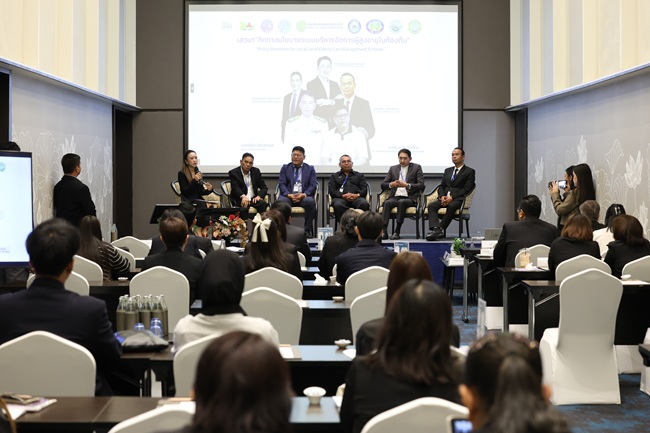
Key policy proposals discussed included: shifting elderly healthcare to a co-payment system for sustainability; streamlining regulations and budget processes for faster, locally-responsive disbursement; and restructuring policies to empower local administrative organizations (LAOs) for comprehensive, regionally-adapted elderly care with adequate budget, personnel, and morale support, ensuring a robust local system.