Thammasat Teams Up with Digital Sector for Future Workforce
Thammasat, DDF, and ATSI collaborate to boost digital and AI skills, advancing the “Prompt-Harness Capital” concept for a changing tech world.
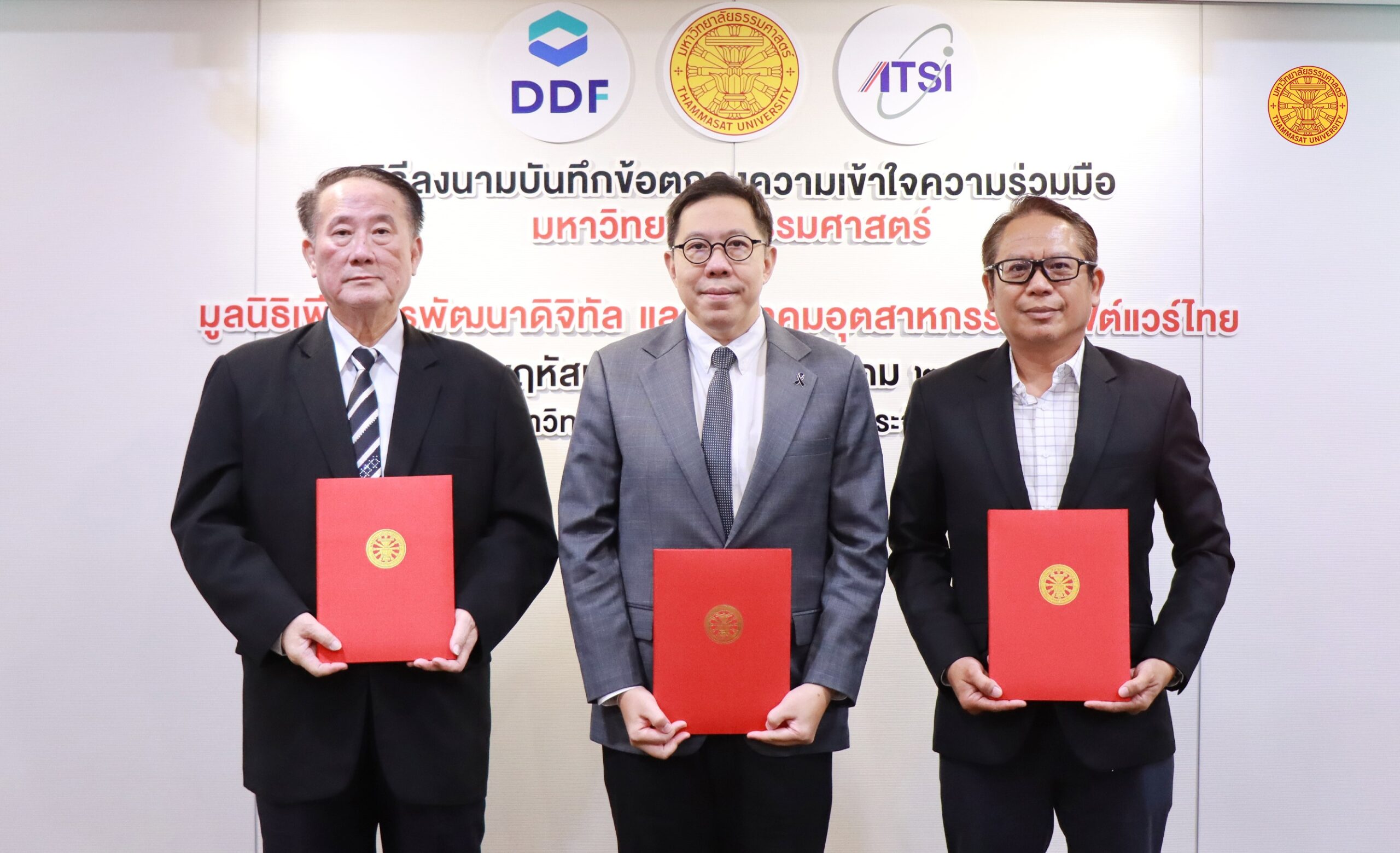
On May 21, 2026, at Thammasat University, an MOU was signed between Thammasat, the Digital Development Foundation (DDF), and the Thai Software Industry Association (ATSI). This academic and research partnership focuses on developing digital and AI skills through the “Prompt-Harness Capital” concept to prepare human capital for future technological shifts and strengthen the national digital strategy.
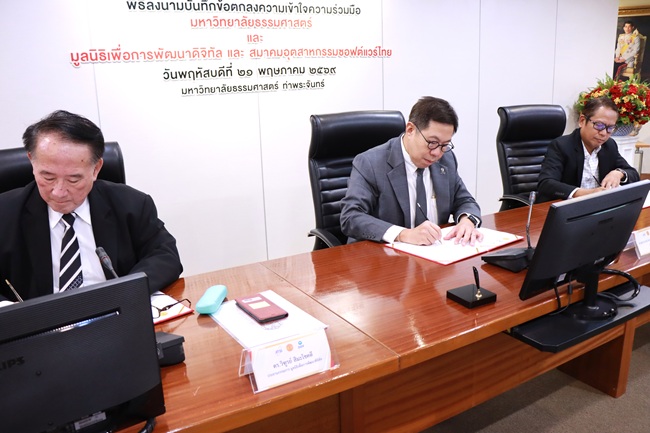
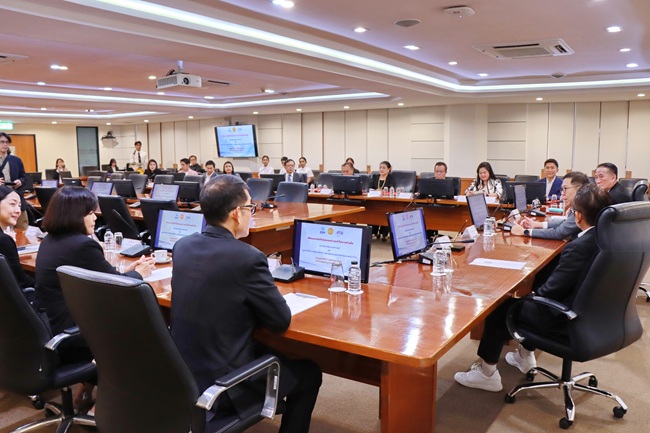
The signing ceremony was honored by Professor Dr. Supasawad Chardchawarn, Thammasat Rector, Dr. Witoon Simachokedee, DDF Chairman, and Dr. Narat Saraman, ATSI President, who participated as the main representatives of the three organizations. They were joined by Asst. Prof. Dr. Chayakrit Asvathitanont, Dr. Surapan Meknawin, and Ms. Yuwadee Saekoi.

Professor Dr. Supasawad noted that Thammasat University is driving a digital strategy to meet international standards by developing academic support staff. Through “Prompt-Harness Capital,” the university enhances AI and Prompt Engineering skills to create valuable human capital. Applying AI will streamline work processes, making them faster and measurable, while reducing costs and sustainably boosting organizational productivity.

Dr. Witoon announced the foundation’s support for human resource development via a three-year “Digital & AI Workforce” roadmap, starting with a pilot project to evaluate and scale results. Project manager Ms. Yuwadee will oversee the delivery of academic training and tools to improve personnel adaptability and global competitiveness. He stressed that this partnership must achieve practical, measurable outcomes.
Dr. Narat confirmed the Association’s commitment to youth digital skill development via cooperative education and practical training. By fostering expertise in Business Analysis and System Development, the initiative aims to close the skill gap for new graduates. This ensures a supply of high-quality digital professionals tailored to the requirements of the Thai software industry and business sector.
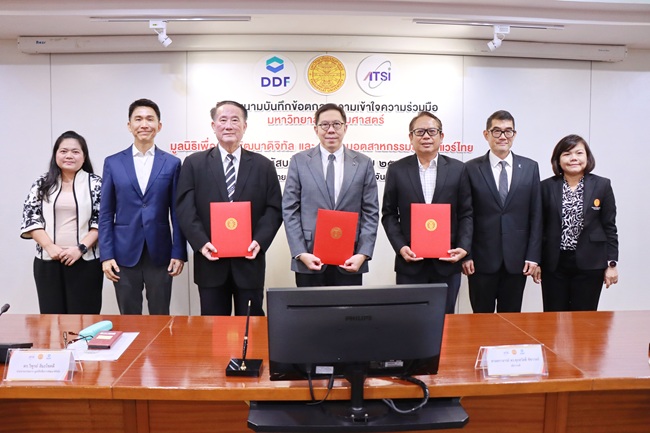
This collaboration reflects Thammasat University’s role in developing human resources that are prepared for the future world by promoting digital skills, analytical thinking, creative use of technology, and lifelong learning. This aims to connect academic knowledge to practical application, ultimately leading to the enhancement of the country’s digital capabilities and fostering sustainable development in the long term.