Thammasat Elevates Teaching Excellence with TH-PSF and UK-PSF Standards
Thammasat University enhances education and faculty capabilities by promoting national and international professional teaching certifications.

Thammasat University is enhancing educational management and faculty potential by encouraging certification under the Thailand Professional Standards Framework (TH–PSF) and the international UK Professional Standards Framework (UK–PSF). This initiative aims to advance outcome-based education and elevate teaching standards globally.
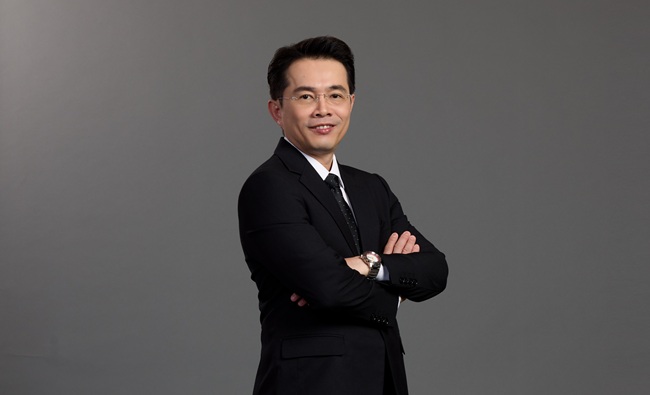
Assoc. Prof. Dr. Dumrong Adulyaritkul, Vice Rector for Academic Affairs at Thammasat University, explained that professional competency certification systematically enhances teaching and learning. While university faculty excel in research, modern teaching demands skills like learning design, lesson planning, learning psychology, Active Learning, and effective assessment. “The university aims to continuously improve teaching competencies for better student experiences and future skills, not just accreditation,” he stated, noting that the university provides application fee assistance and financial incentives for certified faculty. The PSF framework is crucial for quality; new faculty hired from September 1, 2025, must achieve TH-PSF Level 2 certification for contract renewal. Existing faculty are exempt but encouraged to complete at least two teaching skill development activities each year for ongoing growth.

Asst. Prof. Supawadee Tubklum from Thammasat University’s Faculty of Nursing has achieved UK–PSF Senior Fellow (SFHEA) and TH–PSF Level 3 (Scholarly Teacher) certifications. Inspired by the belief that all students have learning potential, she emphasizes that educators must shift from merely transmitting knowledge to designing tailored learning experiences aligned with outcomes. She views national and international certifications as vital for continuous professional development amid a changing educational landscape, encouraging further contributions to learners and the educational community. She is committed to enhancing the learning management that connects classroom learning with practical application and the utilization of knowledge in real-life situations. This aims to promote learners’ abilities to think critically, analyze, innovate, and apply knowledge meaningfully, while also facilitating the exchange of knowledge and best practices. The goal is to collaboratively create a learning ecosystem in which learners, educators, and professional networks can sustainably learn and develop together.

Dr. Yiarayong Klangboonkrong, a faculty member at School of Global Studies, Thammasat University, who achieved Fellow level (FHEA) accreditation under the UK Professional Standards Framework (UK-PSF), stated that his accreditation journey began early in his career in England. At that time, universities utilized postgraduate certificate programs (PgCert or PGCAP) or central validation to align new faculty capabilities with UK-PSF standards, fostering a systematic understanding of daily teaching experiences. Moving forward, he aims to leverage this experience to develop academic staff at the College of Global Studies by promoting research-based teaching in sustainability and social management to prepare students for future world challenges.
Assoc. Prof. Dr. Dumrong further stated that the development of professional competencies for educators is a crucial part of driving the academic strategy of the university. This aligns with the enhancement of the quality assurance system in education and the implementation of Outcome-Based Education, which serves as a fundamental basis for the university’s development towards international excellence. Currently, Thammasat University has faculty members who have been certified in professional competencies at both the TH-PSF and UK-PSF levels, with a continuous upward trend. This reflects the university’s commitment to developing faculty and enhancing the quality of education to produce graduates with the potential to meet the challenges and changes of the future world.