Thammasat and ASMG Set Guidelines for Pre-Gastric Cancer Care
Thammasat University, ASMG, and international experts endorsed a consensus on preventing, diagnosing, monitoring, and managing stomach precancerous conditions to lower cancer risk and long-term mortality.
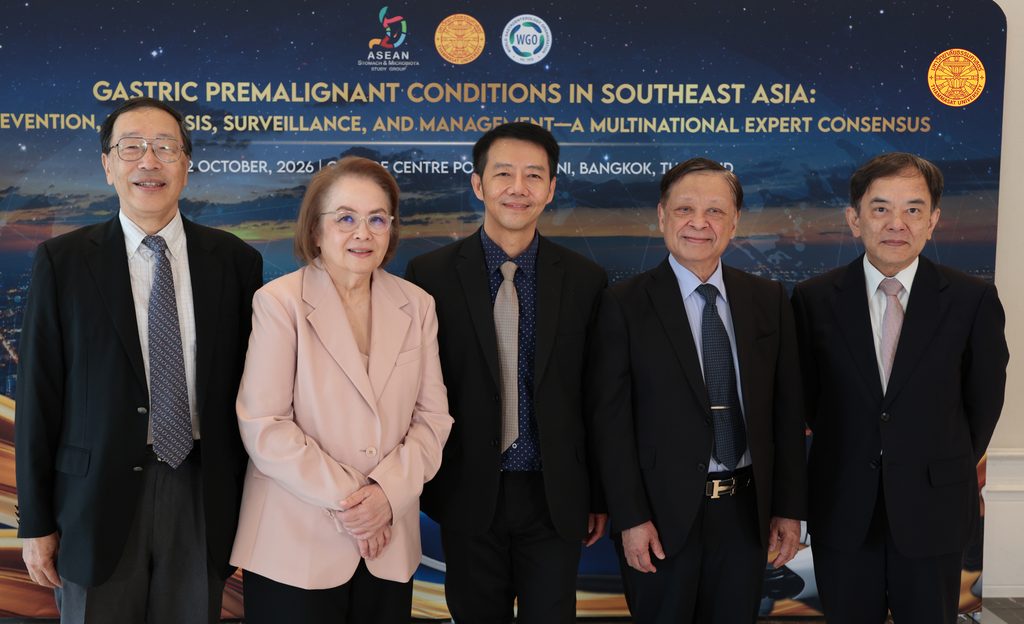
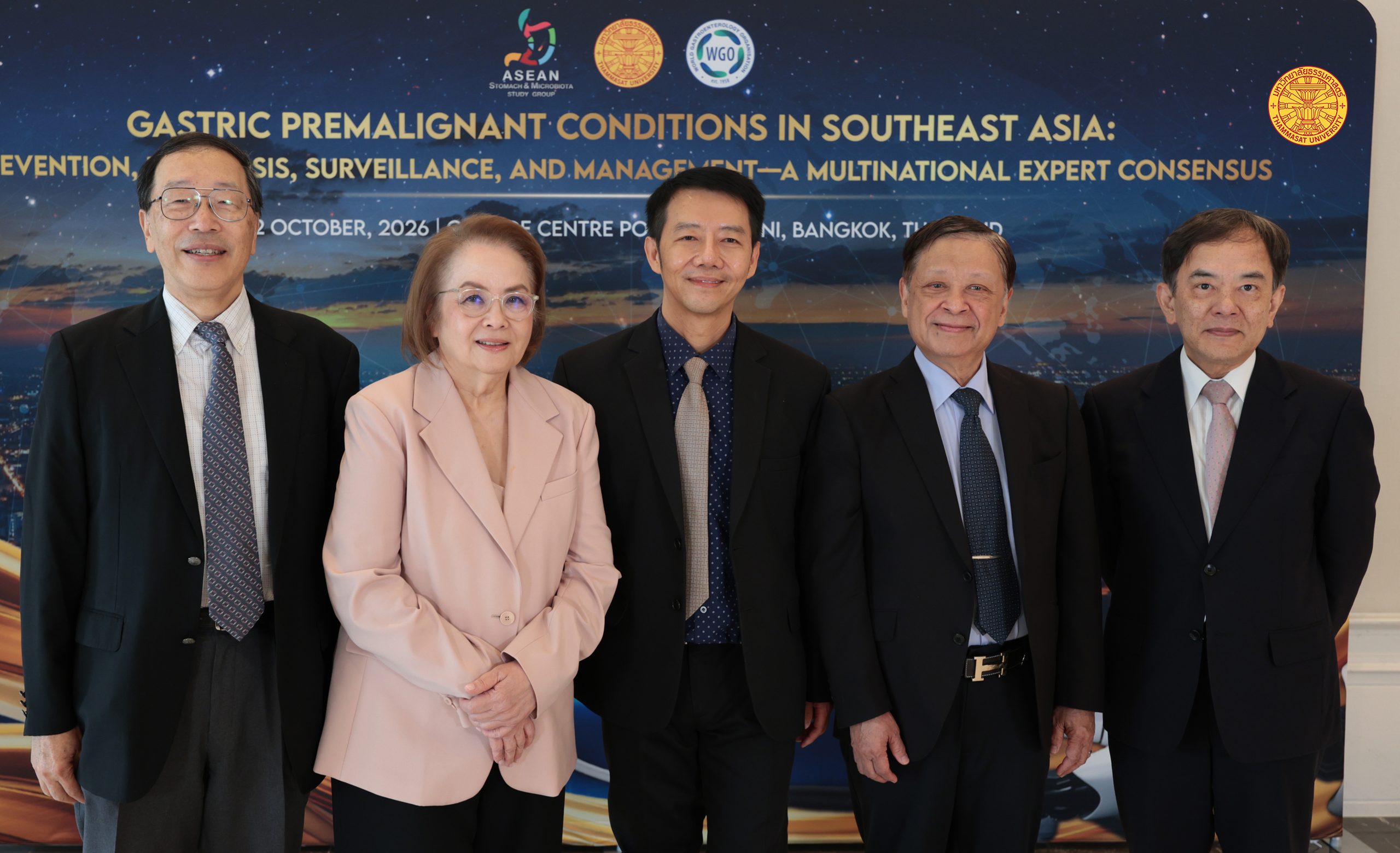
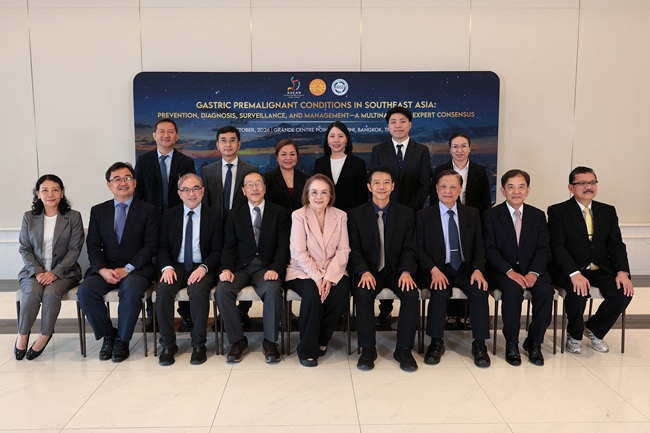
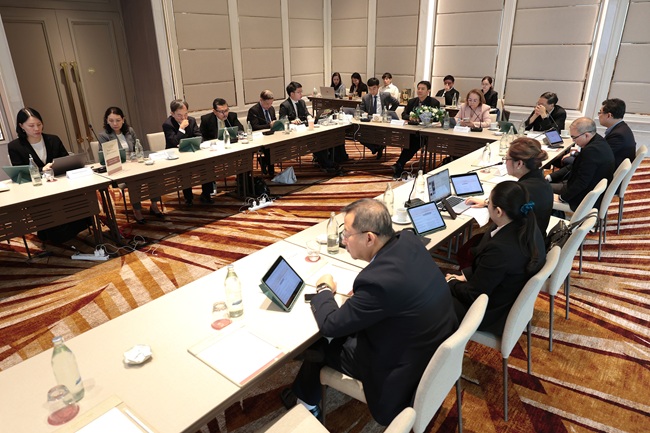
On October 22, 2026, Thammasat University’s Center of Excellence in Academic Affairs for Gastrointestinal Systems, ASMG, and international experts adopted the consensus “Gastric Premalignant Conditions in Southeast Asia: Prevention, Diagnosis, Surveillance, and Management—A Multinational Expert Consensus” to establish evidence-based guidelines tailored for Thailand and Southeast Asia.
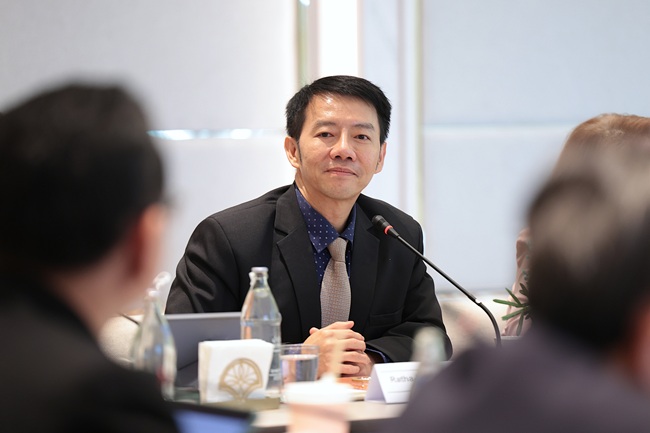
Prof. Dr. Rathakorn Vilaichone, M.D., Head of the Center of Excellence in Academic Studies on Gastrointestinal Systems at Thammasat University and Secretary-General of ASMG, stated that the prevention of gastric cancer is not limited to the eradication of Helicobacter pylori or H. pylori, but also encompasses the detection of precancerous conditions, risk assessment, and appropriate follow-up care, particularly for those with atrophic gastric mucosa or intestinal metaplasia. Certain patient groups may still be at risk even after successful eradication of the bacteria.
Physicians in the region previously relied on guidelines from the US, Europe, and East Asia (China, Japan, and South Korea). However, due to regional variations in disease prevalence, risk factors, resources, and healthcare access, tailored recommendations for Southeast Asia are essential. Prof. Dr. Rathakorn stated that this collaboration aims to help doctors identify candidates for screening and follow-up, offering risk-tailored care to improve cancer prevention, early detection, and resource efficiency.
This consensus covers lesion prevention, diagnosis, surveillance, and risk-based management to guide physician decisions considering evidence, patient needs, and regional healthcare resources. The committee plans to publish the findings internationally and disseminate them across professional networks to promote research, recommendation adoption, and regional care quality.
He added that this collaboration builds on the ASMG consensus for H. pylori management by shifting focus from risk factor control to a systematic approach for precancerous care. This is because gastric cancer risk also involves family history, smoking, diet, and lesion severity. Prof. Dr. Rathakorn stated that the initiative highlights Thammasat University and Thailand’s role in gathering global experts to advance regional health needs and international gastric cancer prevention.
Prof. Dr. Varocha Mahachai, M.D., from Thammasat University’s Center of Excellence in Academic Gastroenterology, emphasized that managing gastric pre-cancerous conditions requires considering population differences and healthcare system readiness, including access to endoscopies, pathology, and follow-up care. “Pre-cancerous conditions do not guarantee cancer development, but they allow for individualized risk assessment and tailored care. Even after pathogen elimination, high-risk patients need monitoring based on lesion severity, family history, and overall health. This collaboration is a vital step in enhancing prevention and reducing risks before cancer progresses,” she stated.

Prof. Jaw-Town Lin from National Taiwan University stated that the conference strengthens collaboration between Taiwan and Southeast Asian experts in research, knowledge exchange, and training to advance gastrointestinal care. He highlighted Taiwan’s government-supported policies for detecting and treating H. pylori, recommending that nations adopt support models tailored to their population risks and resources.
Prof. Kentaro Sugano of Jichi Medical University, Japan, noted Japan’s push to eradicate H. pylori and expand insurance coverage for treatment to prevent gastric cancer. He emphasized that access to screening and treatment is vital for population-level prevention and highlighted the media’s role in educating the public on risk factors and supporting policy development for service access.
This collaboration represents another step in utilizing international knowledge to develop recommendations suitable for the region, in order to enhance opportunities for preventing gastric cancer and to elevate sustainable healthcare for the population.

Latest Content