Thammasat Dissects True Cost of Good Life at SDGs Forum
The launch of the semi-permanent exhibition “SDGs for the People” features four speakers exploring the hidden impacts and true costs behind maintaining a good standard of living.
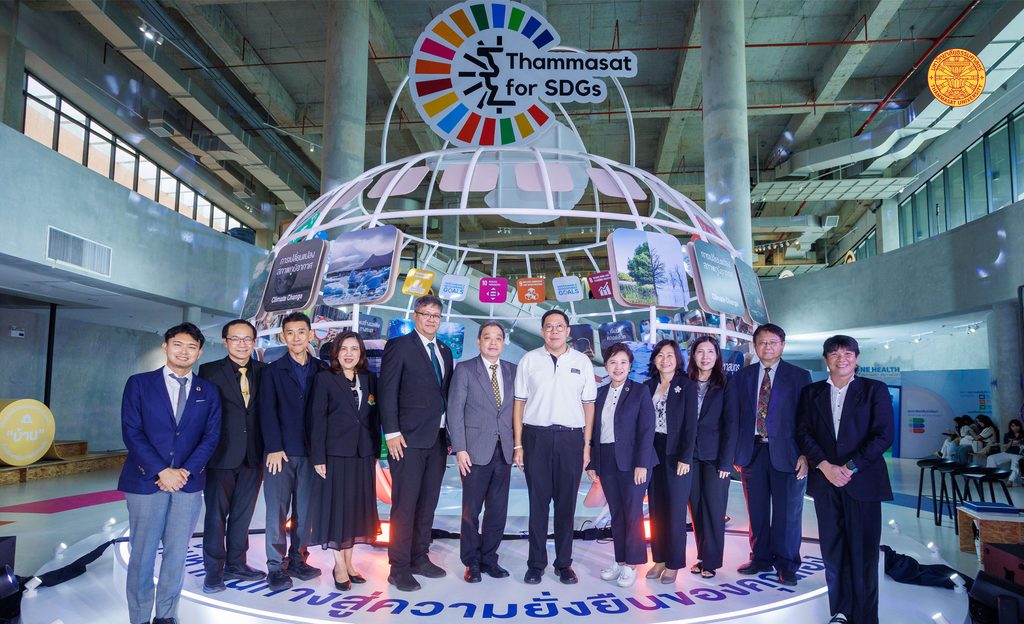
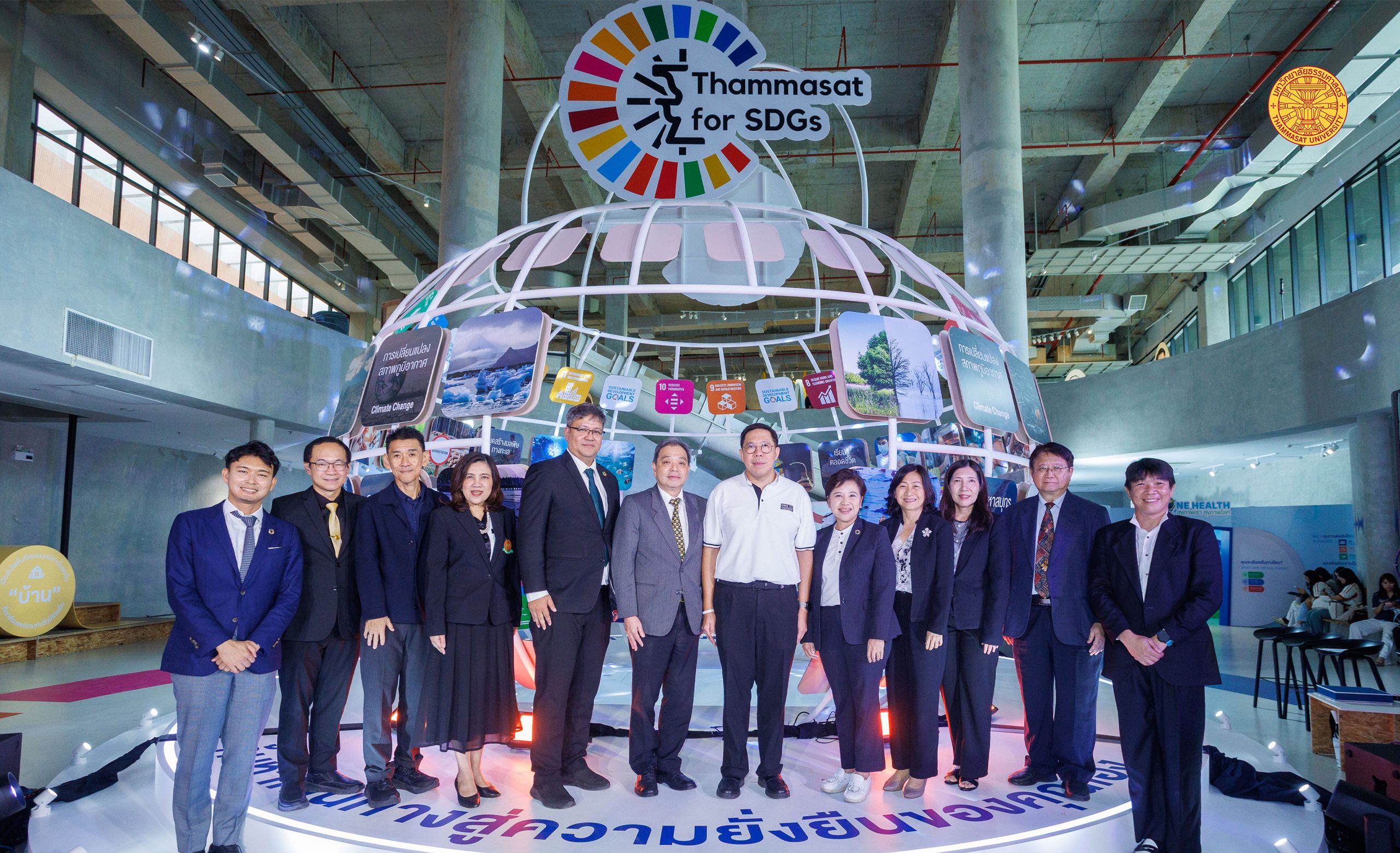
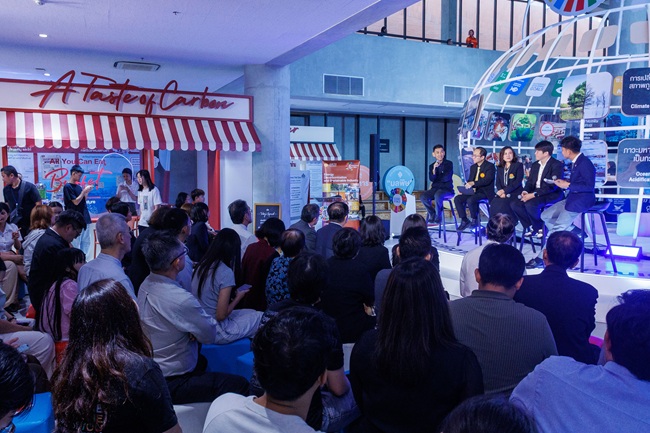
Thammasat University launched the 4th SDGs Exhibition, “Sustainability Summary,” themed “Pathway to Future Sustainability,” to translate global goals into daily action. On October 14, 2026, it hosted the panel “Good Living in the City: Who Pays?” to examine the true costs of high living standards and present a Call to Action for cross-sector collaboration.
Asst. Prof. Weeraboon Wisartsakul, Dean of Puey Ungpakorn School of Development Studies, Thammasat University, noted that phone bills omit full production costs, including rare earth mining, factories, labor, data centers, energy, and e-waste, which impact others in places like Prachinburi and Rayong.
Rare earth mining in northern Thailand pollutes rivers like the Kok, Mae Sai, Ruak, and Mekong with arsenic, impacting residents from Chiang Rai to the Northeast. These unaccounted-for costs of telephone use are borne by distant, disconnected communities whose plight often goes ignored.
“Therefore, when discussing the convenience of low costs that must be paid, utilized, or consumed, it is important to always be aware that there are others who bear additional burdens on our behalf, of whom we may not pay attention to or care about their lives. These are individuals who carry those risks on their bodies or within their families,” stated Asst. Prof. Weeraboon.

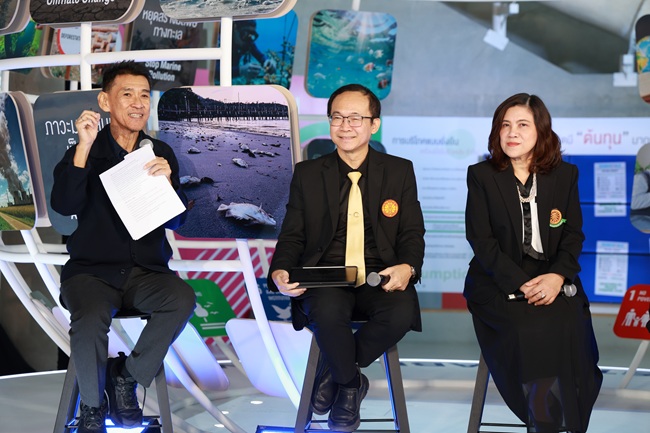
Assoc. Prof. Dr. Auchara Tangsathapornpong, M.D., Dean of the Faculty of Medicine at Thammasat University, discussed the impact on health, particularly focusing on antimicrobial resistance. She emphasized that due to the fast-paced lives of people in urban areas, when they fall ill, everyone desires to recover as quickly as possible, which may lead to unnecessary use of antibiotics. For instance, when experiencing a cold or diarrhea, individuals might self-medicate with antibiotics. However, many may not realize that most colds are caused by viruses and that many cases of diarrhea can resolve on their own without the need for antibiotics. Importantly, inappropriate use of antibiotics is a significant factor contributing to the problem of drug-resistant pathogens, which will affect the treatment of infectious diseases in the future.
When we use antibiotics, the medication kills or inhibits the growth of drug-sensitive bacteria. However, drug-resistant strains may survive and proliferate. Moreover, they can transmit drug-resistant genes to other bacteria, resulting in infections that were once easily treatable becoming more difficult to manage. This necessitates the use of more expensive medications and prolonged treatment, particularly in hospitals where certain strains exhibit multi-drug resistance, leaving very few treatment options available. In some cases, there may be no effective medication, which can be life-threatening.
“Antibiotic resistance spreads beyond hospitals across humans, animals, food, and the environment through antimicrobial use and waste contamination,” Assoc. Prof. Dr. Auchara stated. “Addressing this requires a One Health approach, preventing infections, using antimicrobials judiciously, and reducing contamination through multi-agency cooperation.”

Assoc. Prof. Dr. Supetch Jirakajonkul, Dean of the Faculty of Science and Technology at Thammasat University, discussed the role of science and technology in mitigating environmental impacts. He stated that currently, technology can help reduce visible costs such as electricity, fuel, water, and raw materials. It also aids in decreasing “environmental externalities,” which are not directly reflected in the prices of goods and services. These “environmental externalities,” unpriced costs like greenhouse emissions, pollution, resource depletion, and societal burdens, heavily impact agriculture, greenhouses, and SMEs through energy, raw material, and transport expenses. Technology boosts efficiency to curb these environmental impacts, mitigating flood and drought risks in Thailand and worldwide.
He outlined five key technologies to cut hidden environmental costs and support sustainable production: 1) IoT and AI for electricity management, 2) renewable energy adoption, 3) innovations shortening agricultural transport, 4) water-efficient practices like low-water rice cultivation, and 5) data-driven planning for farmers.
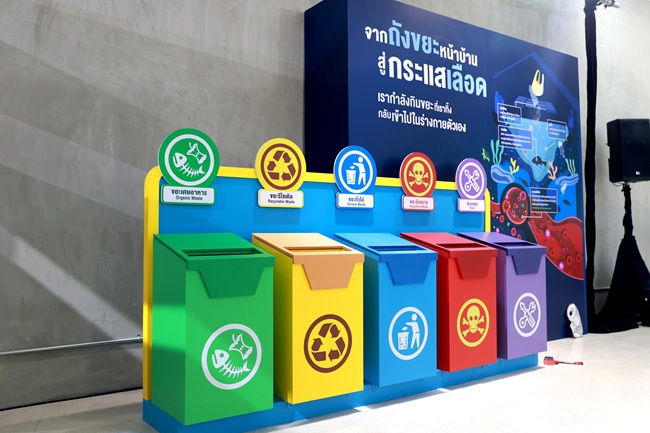
Applying technology and AI bridges economic and environmental cost reductions, helping farmers and entrepreneurs boost efficiency, competitiveness, and sustainability to address the hidden costs omitted from standard receipts, noted Assoc. Prof. Dr. Supetch.

Assoc. Prof. Dr. Narongrit Muangmai, Deputy Head of the Youth Male Division of Soka Gakkai Thailand, emphasized that individual actions, such as health care and waste separation, can trigger a ripple effect leading to global change. He referenced Dr. Daisaku Ikeda, President of Soka Gakkai International, who highlighted that individual transformation drives world change and that youth are key to building mutual trust and positive reactions. Additionally, he noted that Professor Dr. Puay Ungpakorn established the “Volunteer Graduate Institute” based on a similar belief in young people’s power to transform society.
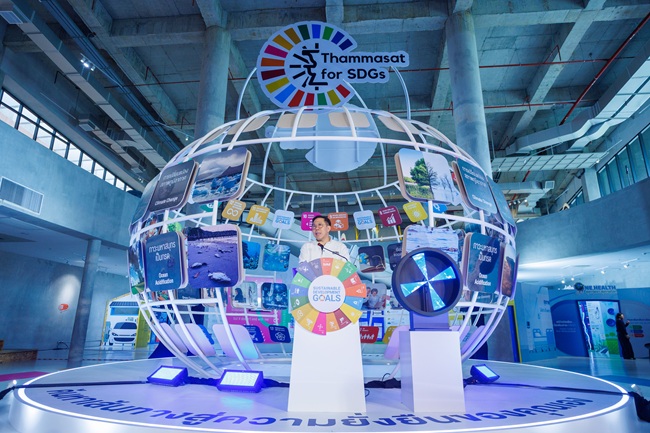
Prof. Dr. Supasawad Chardchawarn, Rector of Thammasat University, stated that this fourth SDGs exhibition is intended to be semi-permanent, with future space improvements to better serve as a Sustainable Development Goals learning environments for all. He emphasized that beyond ranking first globally for SDG 16 (peaceful and inclusive societies) by Times Higher Education, Thammasat will leverage its strengths in curriculum, research, innovation, and academic service. He noted that while rankings offer an external view, driving these initiatives remains core to the university’s internal mission and philosophy.
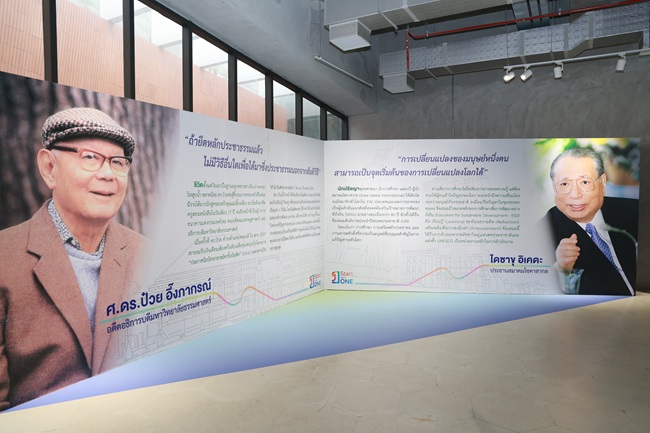
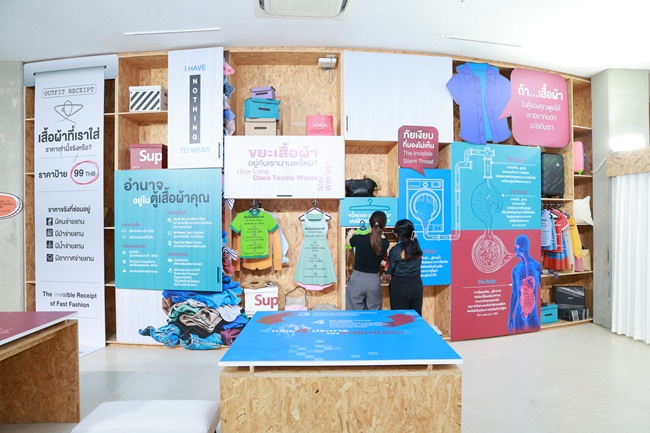
This semi-permanent exhibition has two parts: 1. “The Journey to a Sustainable Future,” featuring “The Real Receipt” concept to highlight hidden costs behind living standards across five zones (Food, Housing, Clothing, Health, and Smartphones), and 2. “Because Every Change Starts with One Person,” showing how individual daily actions drive global change.

Latest Content