Thammasat Launches New Longevity-Focused Food Science Program
Thammasat launches a Health Food Product Development and Anti-Aging program to train new food scientists.
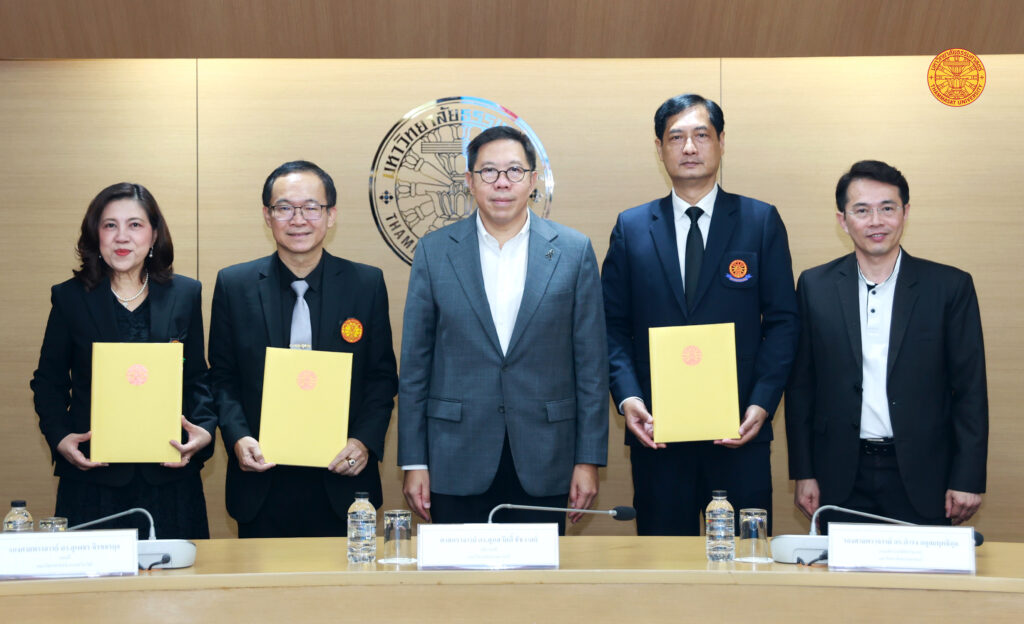
Thammasat University, alongside the Federation of Thai Industries, has launched a new Bachelor of Science program in Health-Promoting and Anti-Aging Food Product Development. A joint effort by the Faculties of Science and Technology, Medicine, and Allied Health Sciences, the program will enroll its first class in the academic year 2027. Aligning with global longevity trends, it aims to train food scientists with deep knowledge of human biology to create effective anti-aging food products.
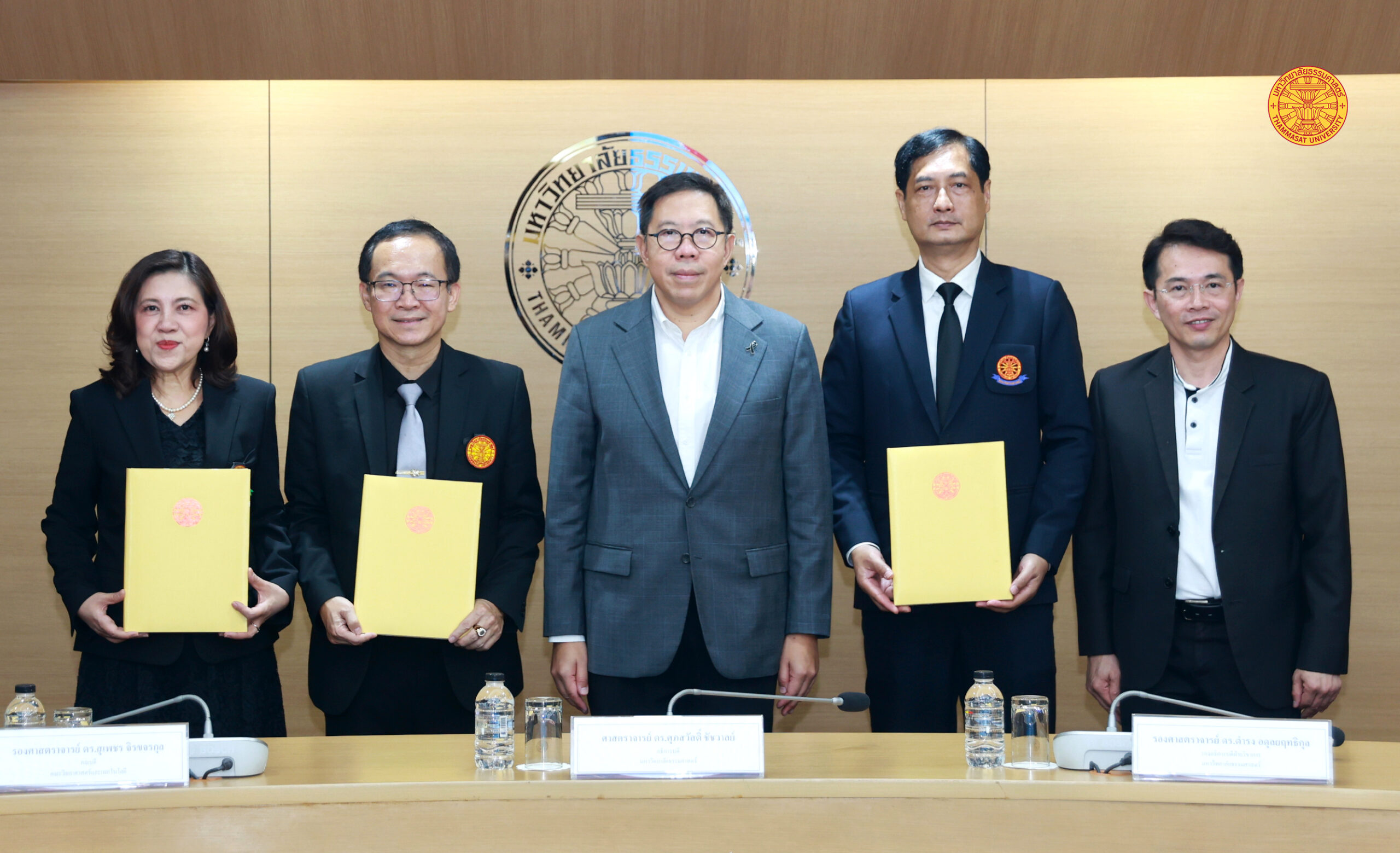
On August 10, 2026, the Faculties of Science and Technology, Medicine, and Allied Health Sciences at Thammasat University signed an MOU at the Pridi Banomyong Conference Room to jointly develop and advance the curriculum.

This program aligns with Thailand’s growing health food and anti-aging market, where food science, health, and nutrition professionals are in high demand. Assoc. Prof. Dr. Supetch Jirakajornkul, Dean of the Faculty of Science and Technology at Thammasat University, noted that graduates will gain expertise across food science, health science, and internal medicine to develop anti-aging products. Beyond traditional food science roles, career opportunities include positions in the broader food industry, hospital R&D, and health food enterprises ranging from SMEs to manufacturing plants.
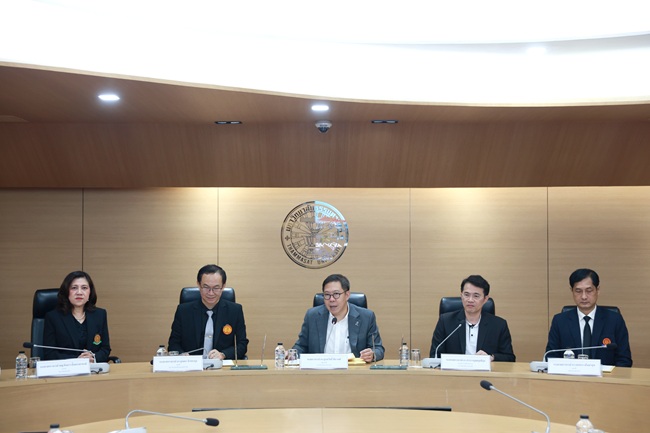
He mentioned that “Thammasat’s food science program is fully equipped with facilities, labs, and expert faculty to prepare scientists for the national and global health and anti-aging food industries.” The curriculum integrates food science with health sciences and internal medicine through campus learning and industry experience. It aims to foster food innovations that boost health, improve quality of life, and support the country’s food sector in an aging society.
Assoc. Prof. Dr. Dumrong Adunyarittigun, Vice Rector for Academic Affairs at Thammasat University, noted that the outcome-based curriculum integrates expertise across faculties. Students learn food production alongside health fundamentals, scientific evidence, and consumer wellness. He praised the three faculties for using their disciplinary differences to complement each other and emphasized moving the agreed framework into practice for student benefit.
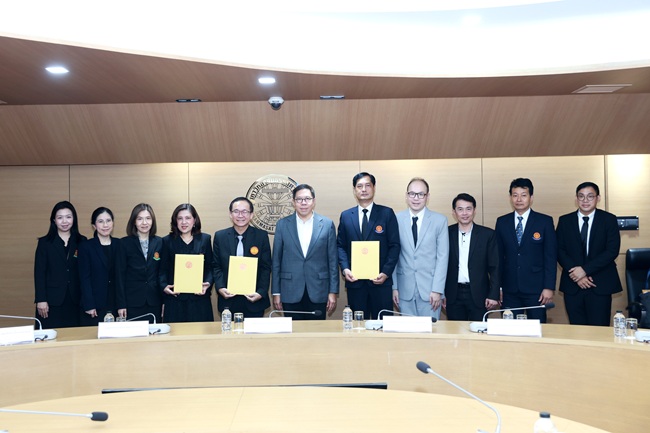
This collaboration marks another step toward a society-driven curriculum. Prof. Dr. Supasawad Chardchawarn, Rector of Thammasat University, noted that universities must adapt to societal needs and collaborate across sectors to cultivate a skilled workforce for national advancement.
He added that this three-faculty initiative exemplifies the “ONE TU” concept, combining university strengths to create a comprehensive joint curriculum aligned with social needs.