Thammasat Boosts Thailand’s Presence in $550B Global TCM Market
CICM Thammasat and Chengdu University of TCM co-develop a new TCM curriculum.
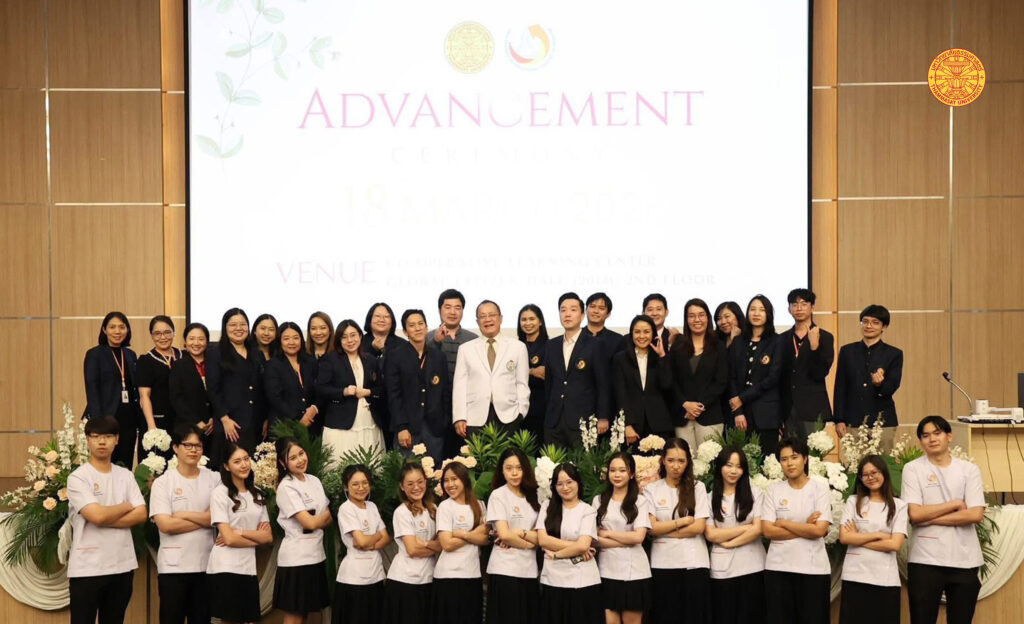
Traditional Chinese Medicine (TCM), with over 2,000 years of history, will soon transition from an alternative option to an essential practice used in conjunction with modern medicine.
Asst. Prof. Dr. Paradee Saengwattanakul of Chulabhorn International College of Medicine (CICM) advises patients to consult a modern physician before exploring TCM, emphasizing that optimal treatment outcomes stem from integrating Eastern and Western medical approaches.
“We do not endorse replacing conventional care with TCM; an integrated approach offers the best healing outcomes,” she emphasized. Meanwhile, the TCM industry saw a 5.7% compound annual growth rate between 2019 and 2024, driven by government support and rising demand, according to a 2024 IBISWorld report.
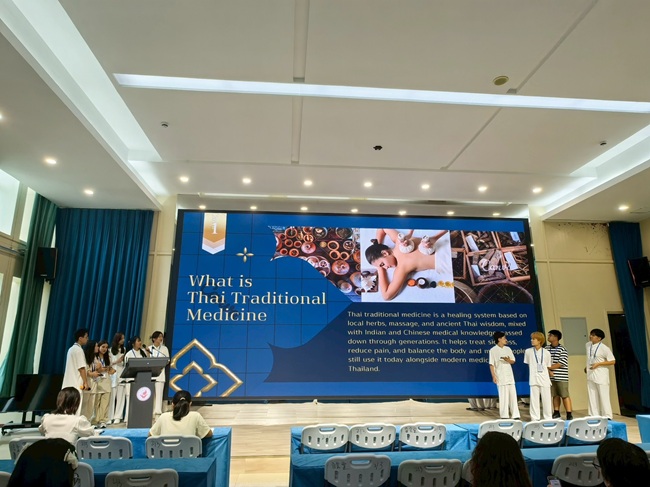
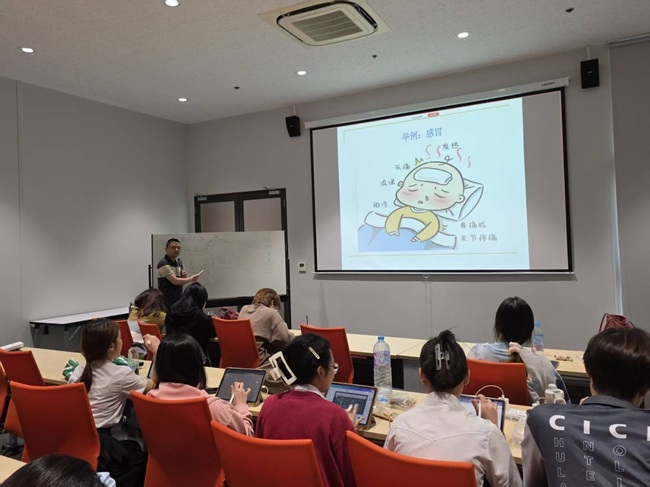
According to data from Business Research Insights in 2026, the size of the global Traditional Chinese Medicine (TCM) market is projected to be 289 billion US dollars, with an anticipated compound annual growth rate (CAGR) of 7.4% over the next ten years, from 2026 to 2035, resulting in a market value reaching 551 billion US dollars by 2035.
TCM is gaining international recognition and adoption. It was included in the WHO’s ICD-11 in 2019 and is increasingly integrated into healthcare systems worldwide, from Asia to the US, which has over 40,000 licensed practitioners, and Germany, where it is covered by public insurance.
The Chinese medicine market is primarily driven by growing demand for holistic, nature-based healthcare to reduce reliance on chemical medications and unnecessary treatments. This market is also expected to expand further due to the healthy longevity trend.
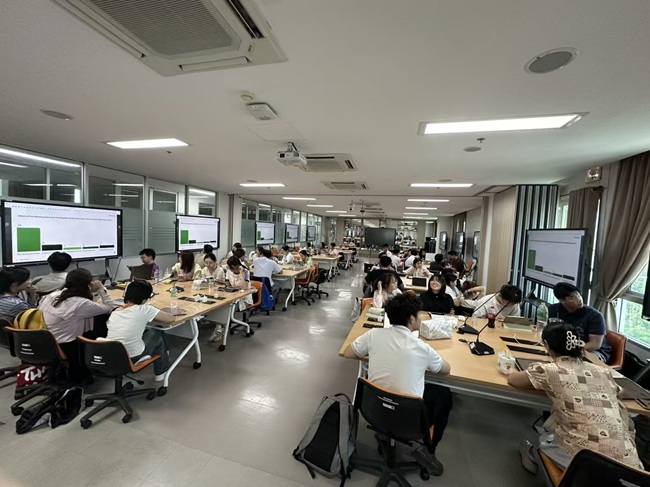
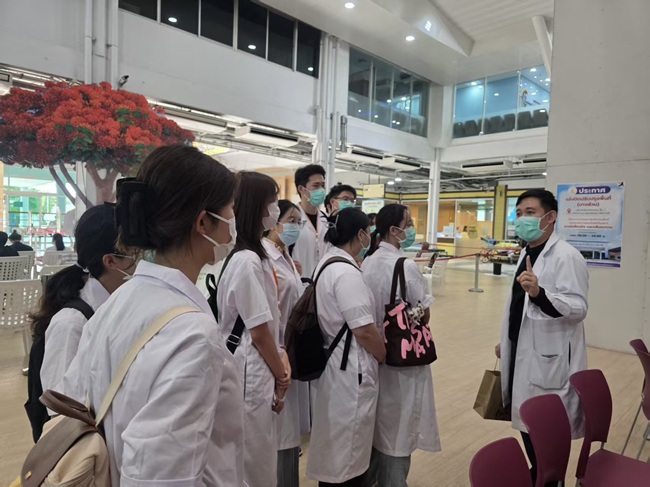
This is an opportunity for Thailand to develop its economy and participate in capturing market share in the global market.
“There are many foreign tourists who are familiar with and have previously received treatment through traditional Chinese medicine. When they come to Thailand, they seek out traditional Chinese medicine. Therefore, if Thailand takes this matter seriously, it will further enhance the potential of the Medical Hub and Wellness Tourism policies,” stated Asst. Prof. Dr. Paradee.
Thailand has advanced Traditional Chinese Medicine (TCM) through certification, licensing, and public health positioning. On June 30, 2026, the Cabinet approved monthly allowances for civil servant TCM practitioners: 3,500 baht for the expertise level and 5,600 baht for special expertise. Despite the resulting growth in public and private TCM clinics, the number of practitioners remains insufficient. There are currently over 2,000 licensed practitioners in Thailand, with approximately 300 new licenses issued annually.
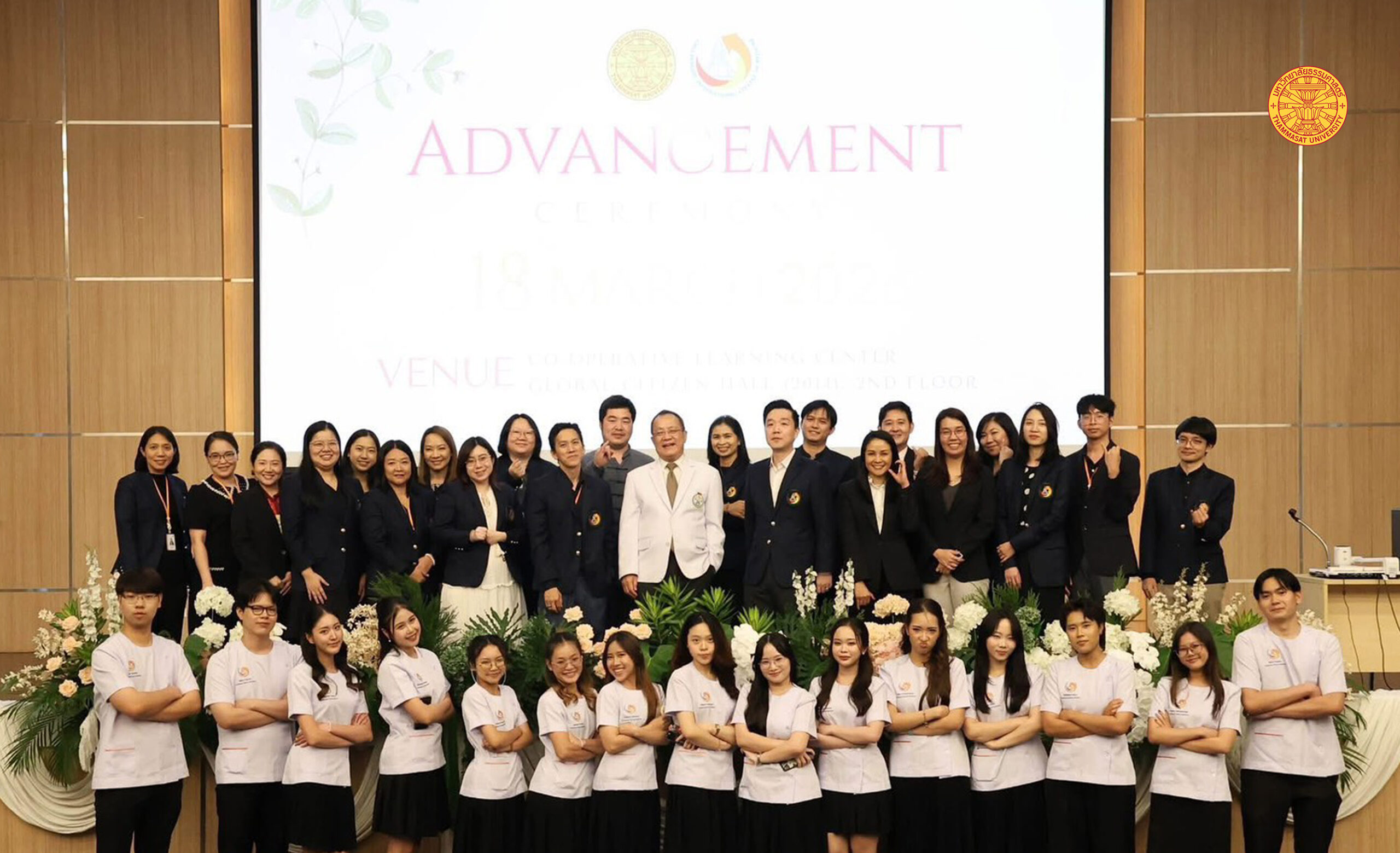
To address the gap in human resources and enhance the potential of Thailand, Chulabhorn International College of Medicine (CICM) at Thammasat University has collaborated with Chengdu University of Traditional Chinese Medicine to develop a curriculum for Traditional Chinese Medicine. This program is the “first of its kind in Thailand” and is an international curriculum.
Furthermore, graduates will receive two degrees in Traditional Chinese Medicine (Dual Degree), one from Thammasat University and another from Chengdu University of Traditional Chinese Medicine.
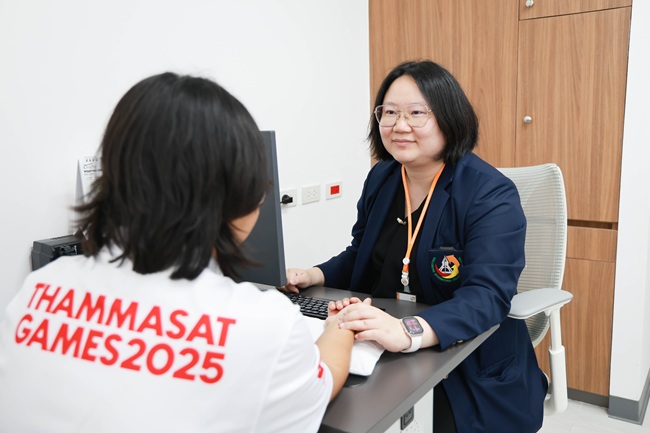
Asst. Prof. Dr. Paradee explained that, in addition to the international knowledge at the global level, an important aspect of studying at Thammasat University is the connections with medical professionals in Thailand and China, which can be practically applied in one’s professional career, as well as an understanding of the context, health system, legal system, and the entire ecosystem of traditional Chinese medicine in Thailand.
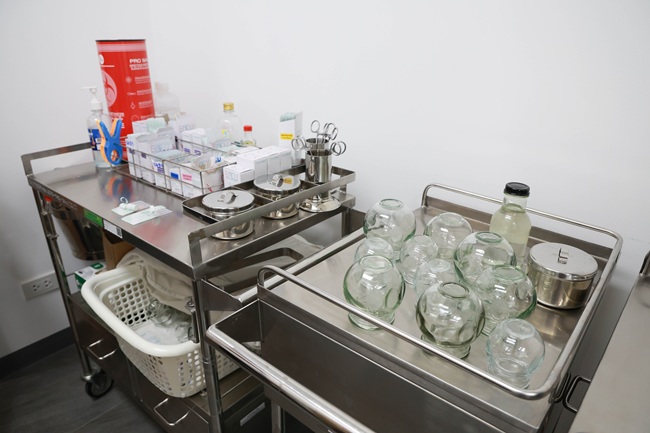
Additionally, CICM partnered with Thammasat University Hospital to establish a TCM clinic, offering students supervised, hands-on experience treating actual patients. This prepares graduates for diverse careers in hospital practice, clinic operations, research, education, and health innovation. Crucially, their degree from Chengdu University of Traditional Chinese Medicine qualifies them for professional licensing examinations, enabling them to work globally in countries like Thailand, China, and the US.
The 6-year program consists of 3 years at Thammasat University (Year 1: foundational subjects; Years 3–4: medical science and Traditional Chinese Medicine theory) and 3 years at Chengdu University of Traditional Chinese Medicine (Year 2: Chinese language; Years 5–6: Traditional Chinese Medicine content and clinical patient training).
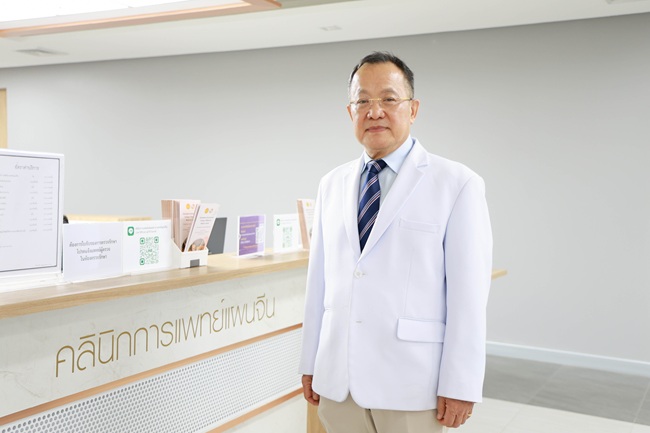
CICM’s TCM program has seen over 90% of its first three cohorts pass their licensing exams. Looking ahead, Dean Asst. Prof. Peerapong Kitipawong, M.D., outlined three key objectives: launching a Dual Degree Master’s program, strengthening research ties with Chinese institutions to foster innovation, and establishing a university-led company to produce local, affordable Chinese herbal medicines—potentially utilizing Thai herbal substitutes.
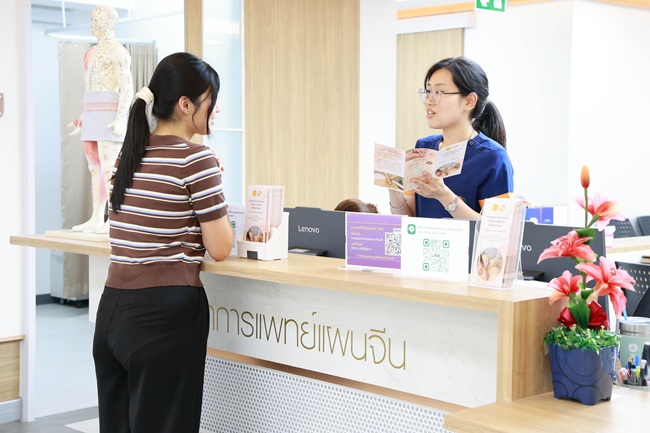
Thammasat is integrating TCM into palliative and elderly care, aiming to create a nationwide model for Thailand’s aging society by 2030. Asst. Prof. Peerapong, M.D., further advocates for government support to promote TCM alongside Thai medicine, urging the inclusion of TCM services and practitioners within the National Health Security system to improve public access.