Thammasat Engineering Team Represents Thailand at International APSCO CubeSat Competition
Members from Engineering Faculty, Thammasat, have been selected as representatives of Thailand to participate in the APSCO CubeSat Competition (ACC) Summer Camp.
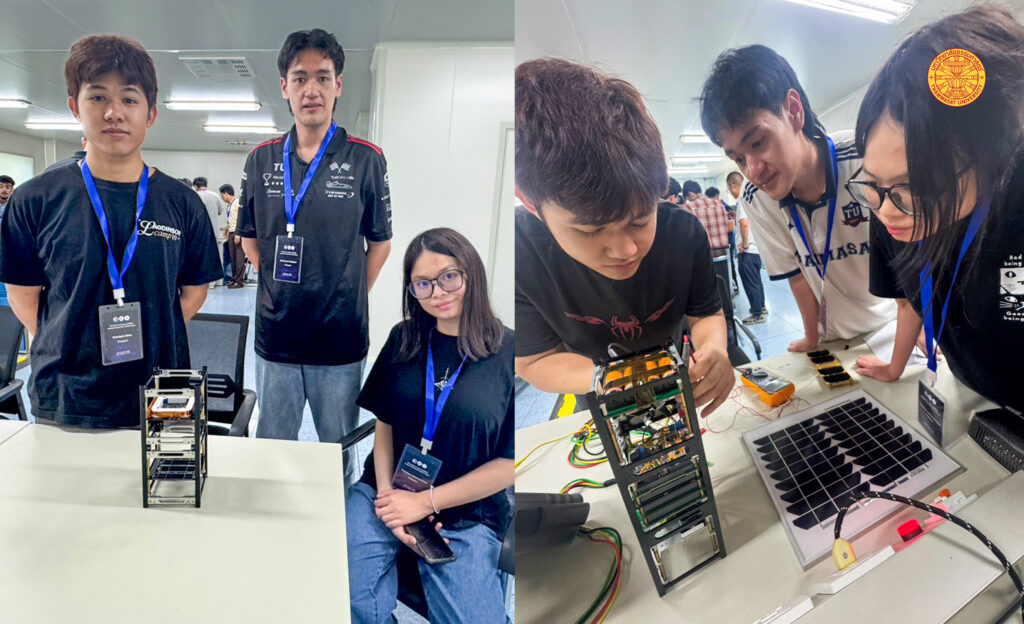
Faculty members and students from the Faculty of Engineering at Thammasat University have been selected as representatives of Thailand to participate in the APSCO CubeSat Competition (ACC) Summer Camp, which was held from August 12 – 25, 2026. This event has been organized by the Asia-Pacific Space Cooperation Organization (APSCO) to promote and develop the potential of personnel from member countries in the design and development of satellites and space technology, ensuring they possess knowledge and skills at an international level.
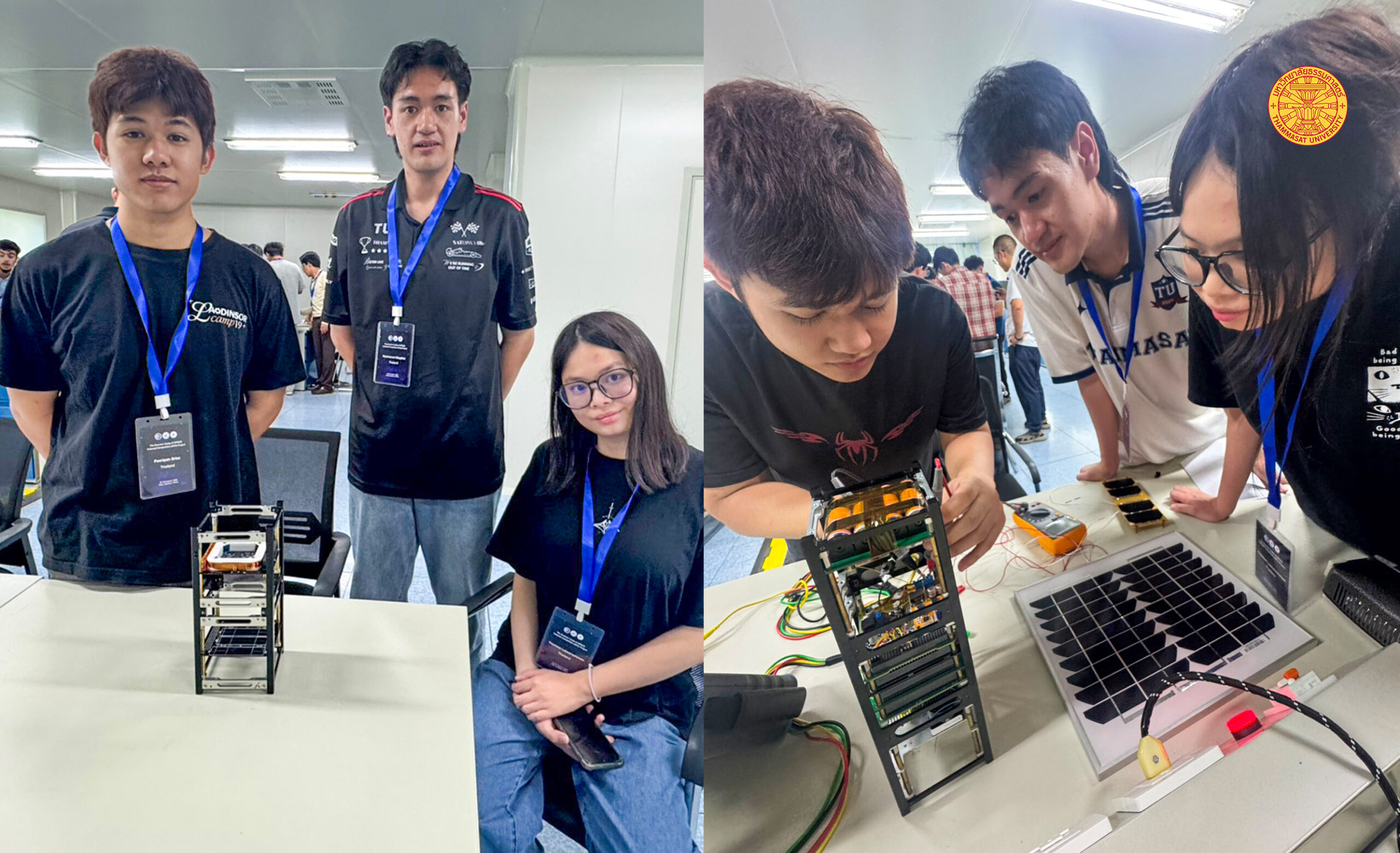
The project participants include Dr. Warinthorn Kiadtikornthaweeyot Evans from the Department of Industrial Engineering, serving as the project advisor and team leader, along with the following students: Ratchanon Chupech, a second-year master’s degree student in Engineering Management, Puriphan Srisa, a fourth-year undergraduate student in Electrical Engineering and Industrial Management, and Thanitnan Laomanacharoen, a second-year undergraduate student in Mechanical Engineering.
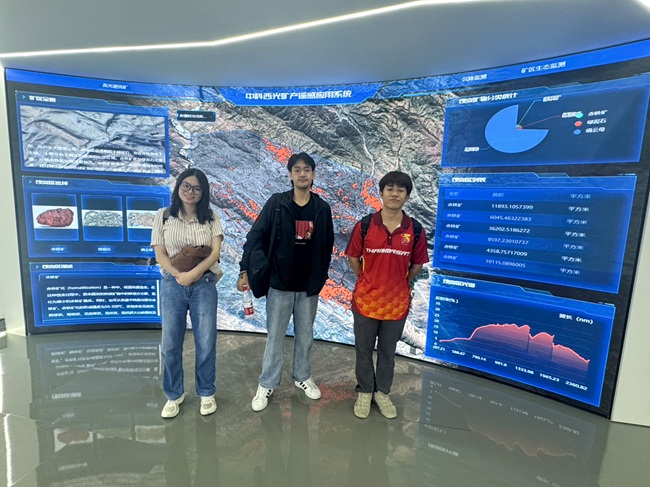
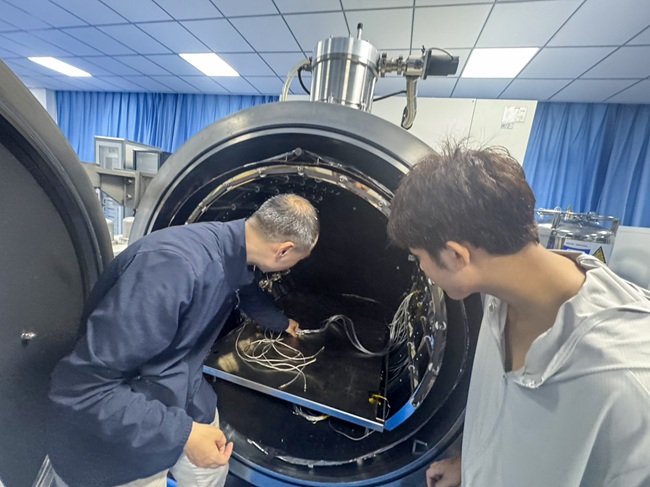
The camp focuses on the design, development, assembly, and testing of CubeSat satellites not exceeding 3U in the form of an Engineering Model (EM) within a three-year framework. It provides an opportunity for participants from APSCO member countries to learn and exchange knowledge in space technology through hands-on practice. Currently, APSCO has eight member countries: Thailand, China, Iran, Turkey, Bangladesh, Mongolia, Pakistan, and Peru.
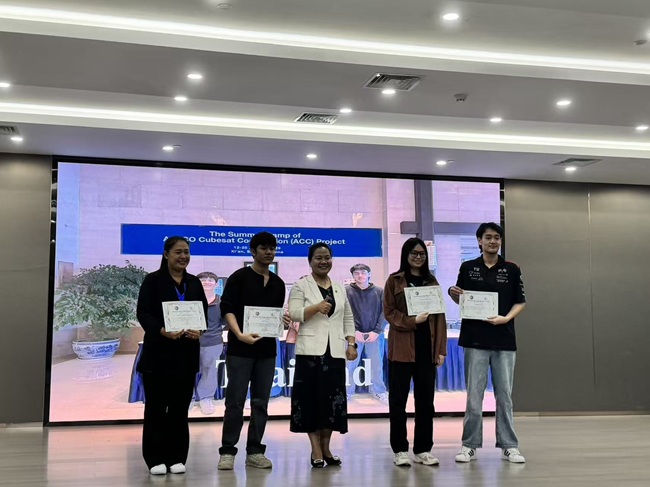
Throughout their participation, students have learned and engaged in hands-on practice in the laboratory, including the assembly and testing of satellite subsystems such as Satellite Structure, Communication System, Attitude Determination and Control System (ADCS), On-board Computer (OBC), Power Management System, Thermal Control System, and Ground Control Station. They also learned to use tools and conduct tests in a space environment, adhering to international guidelines and standards. Additionally, there was participation in the Interim Engineering Model (EM) Review meeting to report on the progress of the CubeSat satellite development and to receive guidance from international experts, which represents another significant opportunity to incorporate feedback for the improvement and enhancement of the project to achieve greater completeness and efficiency. Next year, Thammasat’s Faculty of Engineering will test and evaluate the CubeSat satellite to further enhance Thai space technology capabilities globally.
This project offers students hands-on international experience, advancing their space technology skills while building networks across APSCO member countries.